 Yuelei
Introduction: The Chittagong Maritime Landscape & Need for Exposure Protection
The port city of Chittagong (officially Chattogram) serves as the primary maritime gateway of Bangladesh, handling over 90% of the country’s import-export trade. The geographic dynamics of the Bay of Bengal, characterized by intense monsoon seasons, high humidity, variable water salinity, and critical maritime industrial operations (ranging from the Karnaphuli River channels to deep-sea salvage and the world’s most extensive ship-breaking operations in Faujdarhat), place extreme physiological demands on offshore operators. Historically, maritime safety and diving gear have lacked anatomical diversity, leaving female maritime professionals, marine biologists, Coast Guard crew, and environmental researchers with ill-fitting equipment. This compromise in fit leads directly to cold water exposure, restricted mobility, and safety hazards.
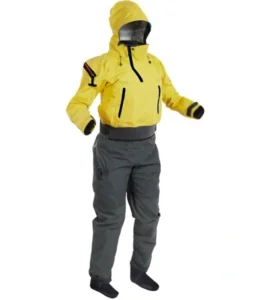
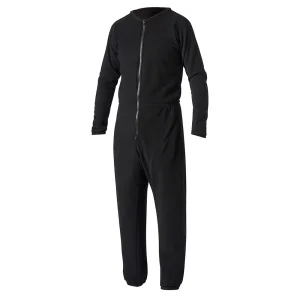
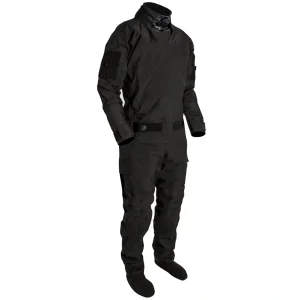
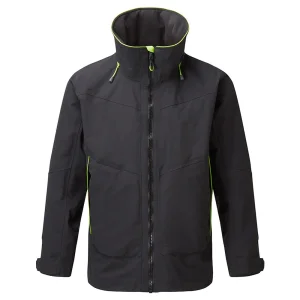
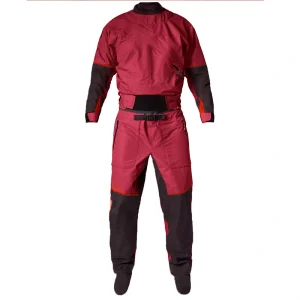
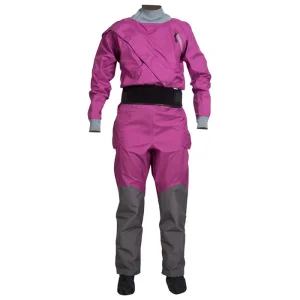
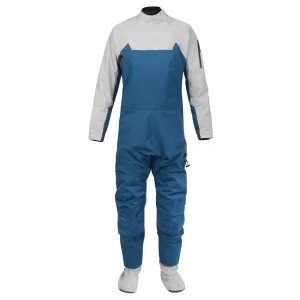
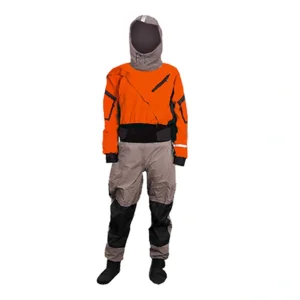
Xiamen Yuelei Sports Co., Ltd. addresses this gap by engineering highly specialized, ergonomically tailored Women's Drysuits designed to withstand the harsh, corrosive, and demanding marine environment of the Chittagong market. Utilizing advanced membrane technology and Factory 4.0 production processes, we export exposure suits that deliver superior protection, durability, and operational flexibility.
Information Gain: Unlike standard drysuits adapted from male sizing patterns, our female-specific drysuits integrate pelvic adjustments, customized torso length configurations, specialized zip entries (including ergonomic side and relief zip systems), and optimized shoulder spans. This ensures absolute thermal efficiency and watertight security in highly turbid and chemical-laden waters, such as those near the Karnaphuli estuary.
Chittagong’s Marine & Industrial Landscape: Contextualizing Exposure Suit Demands
To analyze the required parameters for drysuits in Chittagong, one must look at the specific industrial sectors operating within the metropolitan region:
1. Port Security, Maintenance, and Logistics (CPA)
The Chittagong Port Authority handles millions of TEUs annually. Port maintenance crews, diver inspectors, and environmental response teams are continuously required to inspect hulls, monitor dock structures, and secure harbor basins. These operations involve prolonged immersion in water containing high loads of suspended sediment, hydrocarbons, and organic contaminants. Standard neoprene wetsuits absorb these contaminants, degrading rapidly and risking skin exposure. A premium butyl-rubber or trilaminate drysuit acts as a complete biological and chemical barrier, ensuring dry, safe operations.
2. Ship Breaking and Marine Salvage Operations
The Chittagong Ship Breaking Yard along the coast of Sitakunda is one of the largest in the world. Workers and salvage divers dealing with structural breakdowns, metal cutting, and toxic waste recovery must be protected from sharp steel edges, jagged rusted plates, and contaminated wastewater. For female engineers, inspectors, and safety coordinators visiting these sites, custom-fitted drysuits built with puncture-resistant Outer Cordura overlays are vital safety assets.
3. Offshore Hydrocarbon Exploration and Wind Potential
As Bangladesh moves to tap deepwater gas reserves in the Bay of Bengal and evaluates offshore wind projects, search-and-rescue (SAR) teams, safety auditors, and marine scientific expeditions require commercial-grade exposure protection. Sudden storms, high swells, and thermal drop-offs require constant-wear drysuits that are comfortable for hours of deck-watch while remaining ready for instant immersion.
Technical Material Roadmap: Engineering the Perfect Barrier
As an OEM/ODM leader, Xiamen Yuelei Sports Co., Ltd. builds its products using a meticulous multi-layer material architecture tailored to meet international ISO and EN maritime standards:
Advanced Membrane Engineering
Our drysuits utilize a proprietary 3-layer laminated fabric system:
1. Outer Layer: Heavy-duty Nylon Taslon or high-tensile Polyester treated with DWR (Durable Water Repellent) coatings. This layer resists abrasion, saltwater decay, and petroleum residues.
2. Middle Membrane: A microporous polyurethane (PU) or polytetrafluoroethylene (PTFE) film. The microscopic pores are 20,000 times smaller than a water droplet but 700 times larger than a water vapor molecule, allowing body moisture to escape during intense physical labor while blocking external liquid.
3. Inner Protection Grid: A soft tricot knit that protects the membrane from internal wear and reduces friction against base layers, enhancing wearer comfort.
Ergonomics: The Anatomical Fit for Female Operators
Women's drysuits require distinct patterns to prevent cold spots and maintain flexibility. Our design team focuses on:
• Modified Torso & Drop-Seat Configurations: Incorporating flexible, gas-tight YKK Aquaseal zippers that allow easy relief options without removing the entire safety harness.
• Articulated Knees and Elbows: Pre-shaped joint zones prevent binding, minimizing fatigue when climbing pilot ladders or swimming in heavy currents.
• Custom Gasket Interfaces: Specialized latex neck and wrist seals sized for female proportions, backed by protective neoprene over-collars to prevent UV degradation and physical damage.