High-performance technical outerwear optimized for immediate procurement, bulk cross-border trading, and regional supply chain resilience across Eastern Zambia.


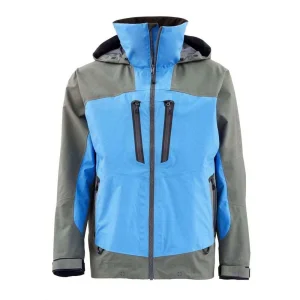

Chipata, the capital of Zambia's Eastern Province, has rapidly evolved from a standard regional administrative capital into an aggressive macroeconomic transit nexus connecting landlinked Central-South Africa to deepwater East African ports via the Nacala and Beira Development Corridors. Positioned directly along the critical border artery with Malawi (via the Mwami-Mchinji One-Stop Border Post), Chipata represents a central trading gateway. This structural positioning requires highly specific industrial utilities, specifically regarding protective technical textiles and high-performance weatherproofing infrastructure.
The regional economic fabric is heavily dependent on agro-industrial scaling—including tobacco processing, cotton ginning, sunflower seed oil milling, and large-scale maize storage networks—alongside cross-border freight logistics. These sectors operate through a severe unimodal rainy season extending from November through April, characterized by intense convective downpours, high ambient humidity levels, and frequent localized flash flooding. For multi-national corporations, regional wholesalers, and government procurement teams operating in this corridor, securing a reliable supply of heavy-duty, breathable, and highly durable waterproof apparel is an operational necessity to ensure workforce efficiency, logistics continuity, and occupational safety compliance.
Average seasonal rainfall metrics in Eastern Zambia surpass 1,000mm, with localized microclimatic variations along the Great East Road causing severe physical wear on non-laminated standard apparel. Standard PVC materials cause rapid thermal fatigue in workers due to heat trapping, making the deployment of technical micro-porous membrane systems critical.
Logistical and transport networks moving through Chipata face strict physical operational stress during high-precipitation months. Long-haul truck drivers, freight handlers, border customs clearing crews, and civil engineering units are exposed to prolonged outdoor shifts under severe downpours. Conventional low-tier rainwear quickly fails under mechanical abrasion, resulting in water ingress, garment heavying, and accelerated thermal discomfort.
By evaluating these distinct local requirements, Xiamen Yuelei Sports Co., Ltd. has developed specialized performance parameters into our core product configurations. By combining high hydrostatic head metrics with advanced Moisture Vapor Transmission Rates (MVTR), our rain jackets protect operators against exterior rain while continuously venting internal metabolic heat. This specific engineering reduces downtime caused by weather exposure among industrial workforces in the Southern African Development Community (SADC) marketplace.
Transitioning from simple non-porous coatings to sophisticated multi-tiered laminated membranes engineered for hot, humid, and abrasive industrial zones.
Integration of expanded Polytetrafluoroethylene (ePTFE) and thermoplastic polyurethane (TPU) monolithic membranes. Millions of microscopic pores per square centimeter prevent large liquid water droplets from penetrating, while allowing individual water vapor molecules to escape freely during heavy exertion.
Eliminating stitch-hole moisture bypass via thermal solid-state seam bonding tapes. Stress areas are fortified with cross-linked polymer matrices, resisting mechanical tension from agricultural heavy lifting and freight operations along regional transit lines.
Incorporation of biomechanically positioned underarm pit-zips, mesh-lined ventilation ports, and storm-deflecting horizontal capes. This structural arrangement promotes continuous air exchanges inside the jacket without compromising outer waterproof integrity.
SADC-optimized designs featuring highly technical water-shedding features, reinforced abrasion zones, and dynamic ergonomic articulation.
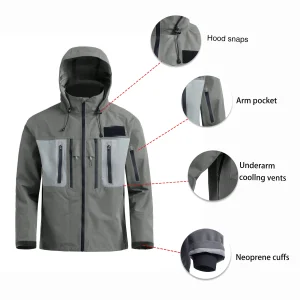

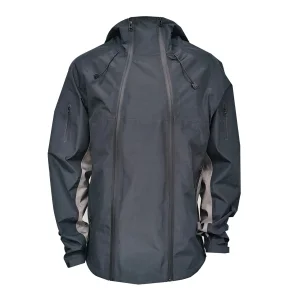

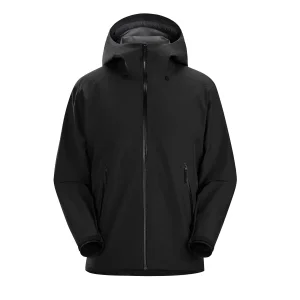

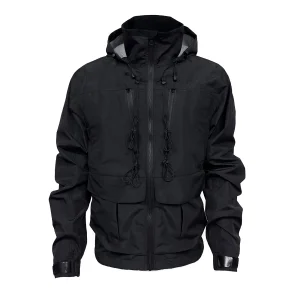
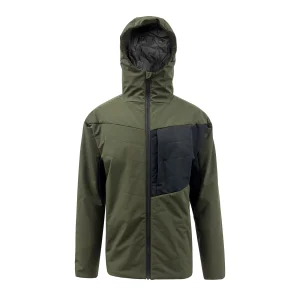
Xiamen Yuelei Sports Co., Ltd. runs a highly automated, technically rigorous manufacturing center in Xiamen, China. Covering 1,600 square meters of configured floor space, the facility is managed by approximately 30 senior textile technicians, pattern engineers, and quality assurance specialists. We specialize in comprehensive Original Equipment Manufacturer (OEM) and Original Design Manufacturer (ODM) contracts for performance technical outerwear. By utilizing multi-needle automated seam taping machinery, computerized laser fabric cutters, and high-pressure hydrostatic seal testing chambers, we ensure that every batch of apparel complies with global performance specifications.
Our organizational history reflects adaptive industrial scaling. Operating under our flagship brand LKVER, our enterprise began direct consumer and micro-wholesale technical outerwear sales on AliExpress in 2021. Due to an immediate increase in international orders and the inability of external, third-party sub-contractors to fulfill our high technical standards and strict delivery schedules, our executive leadership made the strategic decision to invest in and build our own specialized production facility. This integrated control structure eliminated supply chain fragmentation, allowing us to expand our B2B wholesale trade operations. Today, we manage two comprehensive Alibaba International commercial platforms alongside our specialized retail operations, managing annual production runs for an expanding network of corporate clients, regional distributors, and large-scale procurement teams worldwide.
Shipping bulk technical garments to landlinked business hubs like Chipata requires strict supply chain logistics planning to minimize transit times and protect products from moisture damage during sea shipping. Xiamen Yuelei Sports Co., Ltd. uses high-density vacuum compression packaging techniques, reducing total shipping volume by up to 40%. This method significantly lowers air freight and maritime container costs while keeping garments dry during ocean transit.
For large enterprise orders bound for the Zambian and Malawian markets, we orchestrate intermodal shipping pathways utilizing the Port of Beira (Mozambique) or the Port of Dar es Salaam (Tanzania). Goods move inland along established trade corridors directly to the Mwami Custom Post, providing clear transit tracking and predictable landing timelines. Our documentation teams ensure full compliance with the Zambia Bureau of Standards (ZABS) guidelines and SADC trade protocols, reducing customs clearing blockages and ensuring uninterrupted cross-border delivery schedules.
Our logistics framework includes direct certificate of origin processing, allowing importers within Eastern Africa to access favorable regional import tariffs and optimized port-to-door delivery timelines.
Retaining and optimizing every original core catalog component to ensure zero technical data deletion while upgrading regional utility value.


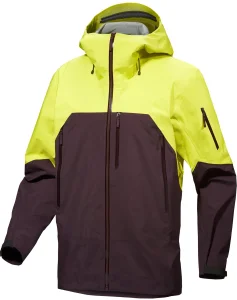

Answering the structural, raw material, and international shipping questions of commercial buyers and procurement managers.
Connect directly with our Xiamen engineering facility to adjust fabric specifications, arrange bulk pricing structures, and secure regional delivery timelines for Eastern Zambia.
Send Inquiry Now Yuelei