Deploying robust thermal barrier systems to secure operations in the Indian Ocean, Himalayan high-altitude lakes, and flood mitigation zones.
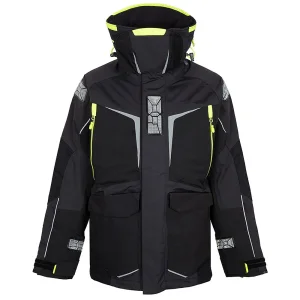
India represents one of the most complex geographical corridors globally, combining a massive coastline stretching over 7,516 kilometers with extreme high-altitude alpine lakes in regions like Ladakh and Sikkim. Historically, the Indian market relied heavily on basic neoprene wetsuits due to tropical sea surface temperatures. However, critical industrial and defense evolutions have pivoted demand toward high-spec, heavy-duty drysuits.
Key drivers include the rapid expansion of offshore petrochemical exploration in the Krishna Godavari Basin (KG Basin) and Mumbai High under initiatives like "Make in India," requiring deep-sea maintenance divers to perform under extreme pressure and cold. Concurrently, the rise of the National Disaster Response Force (NDRF) and State Disaster Response Forces (SDRF) dealing with seasonal monsoon flooding (e.g., in Assam, Kerala, and Bihar) has underscored the immediate requirement for contamination-resistant, swift-water rescue drysuits that insulate emergency personnel from chemical and biological hazards.
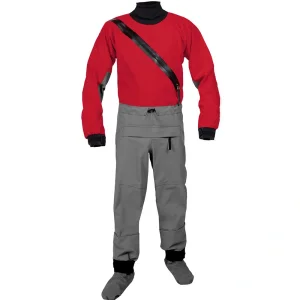
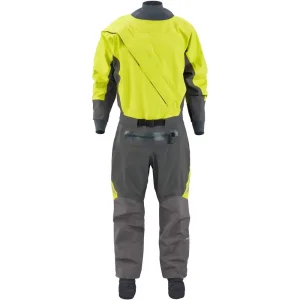
Global procurement teams targeting the Indian market look for specialized fabrics that offer thermal stability without compromising agility. Whether it is military operations in cold high-altitude water bodies like Pangong Tso or deep salvage missions off the Chennai Port, modern drysuits must integrate multi-layered fabric membranes, secure sealing systems, and customizable layouts to accommodate varying physical parameters and mission objectives.
Maintenance divers operating at the offshore installations of ONGC and private energy conglomerates require drysuits that protect against hydrocarbons and provide thermoregulation during prolonged dives at depths exceeding 50 meters.
Specialized forces such as MARCOS (Marine Commandos) and border security units deployed at freezing high-altitude lakes (at altitudes over 4,000 meters above sea level) require custom tactical drysuits built with Cordura reinforcement and stealth coatings.
With seasonal monsoons regularly submerging urban and rural sectors, search and rescue teams (NDRF) utilize drysuits that safeguard rescuers against biohazards, sharp underwater debris, and septic contaminants found in urban runoff.
While the demand for premium drysuits within India is surging, the local manufacturing ecosystem faces significant supply chain bottlenecks. Producing military-grade or commercial-level drysuits requires hyper-specialized machinery, notably programmable hot-air seam sealing equipment, precision laser cutters for fabric panels, and clean-room vulcanization setups for rubber boots and wrist/neck seals. Additionally, sourcing raw components like TiZip waterproof zippers, high-density compressed neoprene, and ePTFE breathable laminates requires an established textile-chemical cluster.
This is where Chinese manufacturing units, particularly specialized factories like Xiamen Yuelei Sports Co., Ltd., provide an unmatched competitive edge for Indian and global buyers. Operating a state-of-the-art 1,600㎡ facility in Xiamen, Yuelei integrates the entire manufacturing ecosystem—from advanced sourcing of high-tenacity nylon to executing rigorous hydrostatic leak tests on every unit. The efficiency advantages are distinct:
| Manufacturing Metric | Typical Indian Local Factory | Xiamen Yuelei Sports (China Advantage) |
|---|---|---|
| Raw Material Supply Chain | Primarily imported components, causing delays. | Immediate access to local industrial polymer & textile clusters. |
| Seam Sealing Technology | Manual or semi-automated tape application. | Fully computerized, programmable multi-layer hot-air sealing. |
| Customization Turnaround | Limited due to rigid tooling constraints. | Comprehensive OEM/ODM pipeline; rapid digital prototyping. |
| Quality Control (QC) | Random batch testing. | 100% inflation and water immersion tests for all drysuits. |
| Cost-to-Performance Ratio | High overhead due to component imports. | Highly optimized due to integrated raw material logistics. |
By bypassing the high overhead of fragmented component sourcing, Xiamen Yuelei can offer drysuits engineered to the highest international standards (ISO 12402 / CE EN 14225-2) at price points that align with Indian commercial diving budgets and municipal emergency procurement grants.
When selecting a drysuit manufacturer for large-scale operations in India or globally, procurement officers must evaluate specific technical indicators to ensure long-term durability and operator safety:
The global protective apparel landscape is transitioning rapidly toward sustainability and integrated tech. In the coming decade, we expect to see key developments reshape the drysuit market:
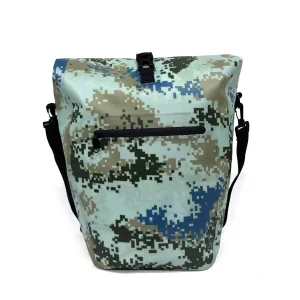
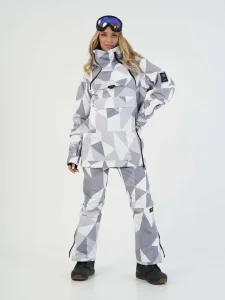
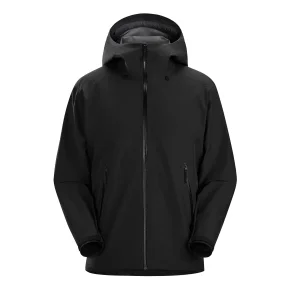
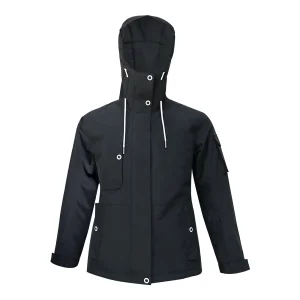
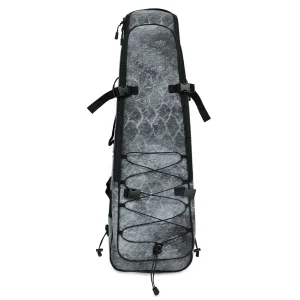
Explore our highly customized collection of performance outerwear, waterproof bags, and extreme weather insulation apparel for regional and global distribution.
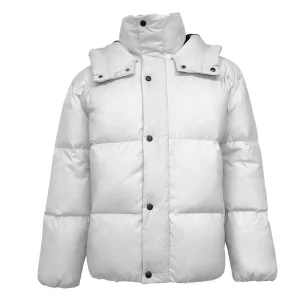
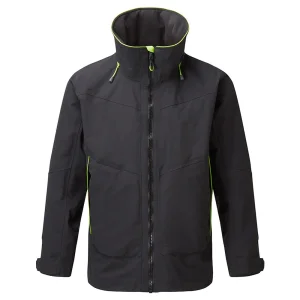
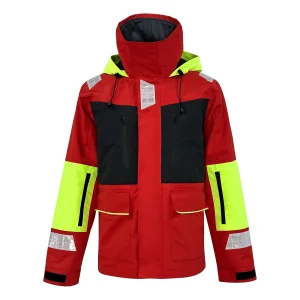
Xiamen Yuelei Sports Co., Ltd. operates a state-of-the-art manufacturing facility in Xiamen, China, covering 1,600㎡ and staffed by approximately 30 skilled professionals. We specialize in OEM and ODM for outdoor apparel, utilizing advanced production equipment and rigorous quality control processes to ensure every product meets the highest standards. Our factory is equipped to provide comprehensive customization services, allowing us to tailor our offerings to the specific needs of our clients.
Xiamen Yuelei Outdoor Sports Co., Ltd., where LKVER is based, began selling ski jackets and wetsuits on AliExpress in 2021. Due to a surge in orders and our suppliers' inability to produce on time, the company decided to establish its own production workshop under the LKVER brand. As the workshop was built, Yuelei Outdoor Sports Co., Ltd. expanded its wholesale trade model and now operates two Alibaba International platforms and one AliExpress store. Every year, we handle production and customization for a large number of new and returning customers.
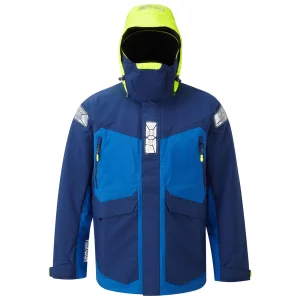
By consolidating our production assets, we control the entire lifecycle of our drysuits, sailing jackets, and extreme weather insulation gear. This vertical integration allows us to supply international agencies, including distribution partners in India, with high-quality protective suits that conform to stringent safety specifications while remaining cost-competitive.
 Yuelei