Explore our curated selection of high-performance technical wear, waterproof jackets, and extreme-sports gear engineered to withstand the harshest environmental elements.
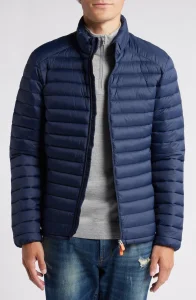
The high-end down jacket manufacturing sector is undergoing a profound transformation. Driven by shifts in consumer preferences, technological breakthroughs in textiles, and the strict integration of sustainability standards, modern manufacturers must evolve beyond traditional garment sewing. Today, selecting the right partner involves assessing their capability in precision material science, thermal dynamics, and environmental compliance.
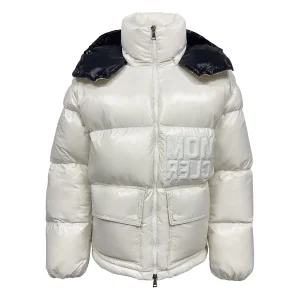
Modern manufacturers are integrating insulation technologies that combine high fill-power goose down (800+ FP) with aerogel composites. This ensures superior warmth-to-weight ratios, maintaining thermal integrity even under high-moisture conditions typical of sub-zero expeditions.
The Responsible Down Standard (RDS) has shifted from a premium option to an absolute baseline. Global brand procurement demands traceably ethically sourced down, alongside 100% recycled nylon shell membranes that carry GRS (Global Recycled Standard) certification.
Active ventilation zones, bonded seamless baffle systems that prevent down leakage, and thermal mapping technology are setting new quality benchmarks for performance outerwear designed for urban and alpine usage.
Procurement officers and product managers face major bottlenecks when navigating the supply chain for extreme weather gear. Quality inconsistencies, material authenticity, and delivery delays pose severe commercial risks. High-performance down apparel manufacturing demands meticulous attention to technical specs.
The ratio of down to feathers (e.g., 90/10 vs 80/20) and the specific fill power determine the temperature rating of the garment. Top-tier factories operate controlled cleanrooms to prevent dust contamination during the filling phase.
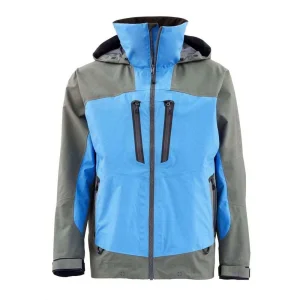
Sewn needles puncture fabrics, allowing rain to penetrate. Premium brands require high-frequency ultrasonic welding and custom laser sealing to maintain absolute windproof and waterproof integrity.
Fashion and outdoor trends shift rapidly. Companies look for manufacturers capable of rapid prototyping, dynamic fabric sourcing, and optimized low-minimum order quantities (MOQs).
Rigorous testing methodologies—including Bundesmann rain tests, hydrostatic head testing, and thermal manikin chamber tests—ensure that finished garments align with performance claims.
The modern manufacturing paradigm is no longer defined solely by massive, low-cost assembly lines. Instead, agile micro-factories and vertically integrated ecosystems provide the precision, adaptability, and resilience that global markets require.
Xiamen Yuelei Sports Co., Ltd. operates a modern, highly optimized manufacturing facility in Xiamen, China. Spanning 1,600 square meters and powered by a core team of approximately 30 highly skilled technical professionals, Yuelei represents the modern "Factory 4.0" approach. Rather than managing sprawling, slow-moving factory floors, Yuelei focuses on highly specialized OEM and ODM processes, utilizing state-of-the-art production machinery to maintain rigorous quality control standards.
Every single process, from material inspection to down-filling and final waterproof sealing, undergoes strict quality gate checks, ensuring every piece of outdoor apparel stands up to global performance benchmarks.
The evolution of Xiamen Yuelei Outdoor Sports Co., Ltd. is rooted in real-world supply chain challenges. In 2021, the company began marketing high-end ski jackets and technical wetsuits via international e-commerce channels such as AliExpress. A sudden surge in global demand exposed a critical industry flaw: external suppliers could not meet production schedules or maintain quality standards.
Recognizing this bottleneck, Yuelei took strategic control of its manufacturing by establishing its own specialized production workshop under the LKVER brand. This pivotal move gave them full control over their R&D, material sourcing, and assembly line speeds.
By taking direct control of production, Yuelei has scaled its business model. Today, the group operates two major Alibaba International B2B platforms alongside its retail AliExpress stores. This hybrid business model serves both high-volume wholesale buyers and custom niche brands.
With customizable fabric options, flexible production limits, and direct design assistance, Yuelei assists hundreds of new and returning customers each year in bringing advanced technical outerwear to market.
To build a high-performance jacket, a manufacturer must coordinate various engineering layers. Below is the technical breakdown of the structural components used by premium manufacturers:
High-density ripstop nylon or polyester (typically 20D to 40D) treated with a high-durability hydrophobic coating (C6 DWR). This layer must block external moisture while letting internal vapor escape.
Laminated ePTFE or polyurethane membranes provide windproof and waterproof barriers (exceeding 10,000mm hydrostatic head rating) while maintaining breathability values of 10,000 g/m²/24h.
A down containment structure that prevents fiber migration. Using calibrated down-filling injection systems, every single chamber is weighed to the exact milligram to avoid sagging or thin spots.
High-quality outdoor apparel is not a one-size-fits-all solution. Performance must be tailored to the specific environment where the wearer operates.
High-altitude mountaineering demands maximum insulation with minimal weight. The standard configuration requires 800+ FP down with box-wall baffling, reinforced high-abrasion panels, helmet-compatible hoods, and harness-accessible storage pockets.
Cold marine areas present unique challenges. Wet down loses its thermal loft. Modern manufacturers solve this issue by pairing water-resistant down treatments with fully seam-sealed, storm-proof outer shells.
For everyday wear, the focus shifts to style and lightweight comfort. Sleek profiles, matte finishes, concealed storage pockets, and integrated media routing channels allow technical garments to transition smoothly into urban lifestyles.
Direct answers to the most common questions asked by B2B buyers, sourcing managers, and brand developers when looking for down garment manufacturers.
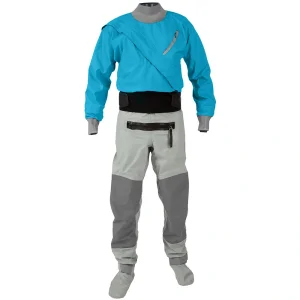
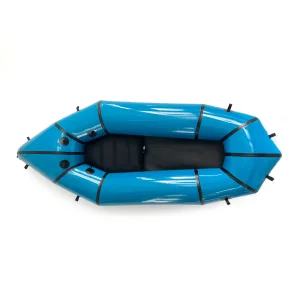
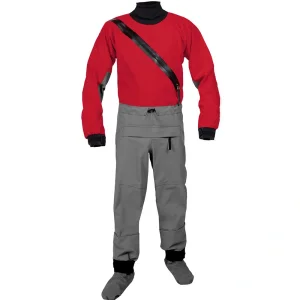
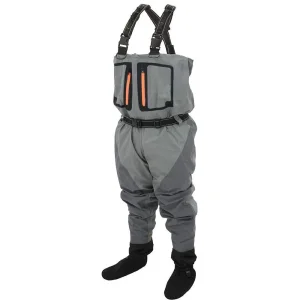
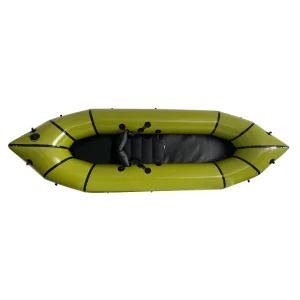
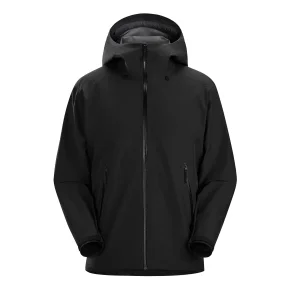
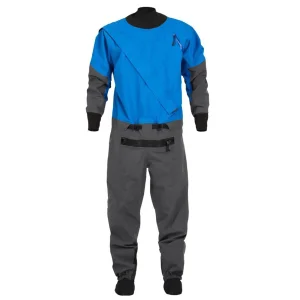
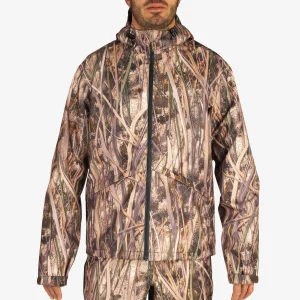
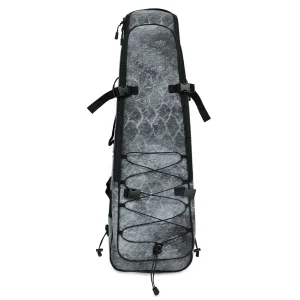
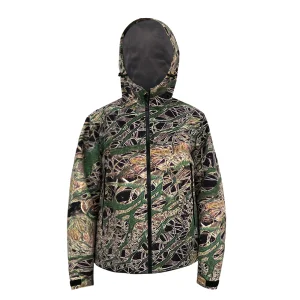
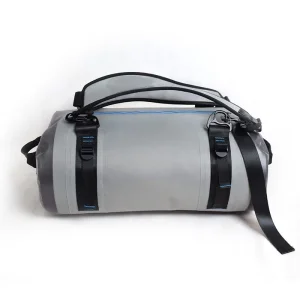
Beyond premium down jackets, our technical production lines offer professional marine dry suits, custom angling waders, inflatable kayaks, and hunting camouflage outerwear.
 Yuelei