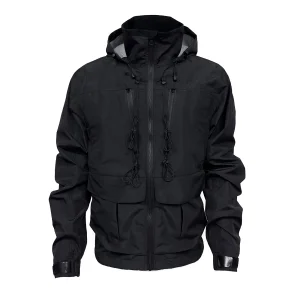
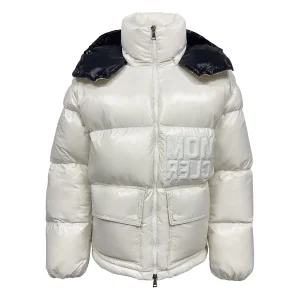
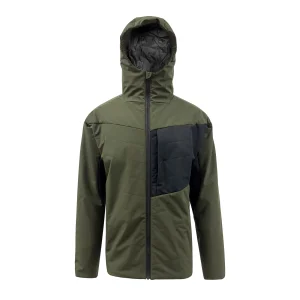
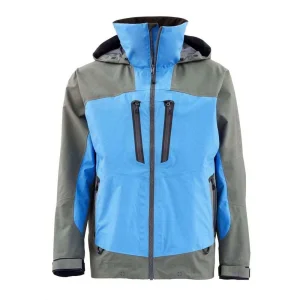
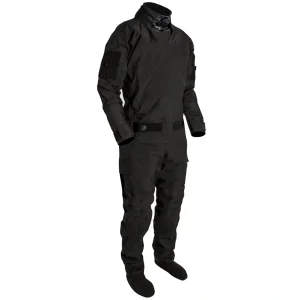
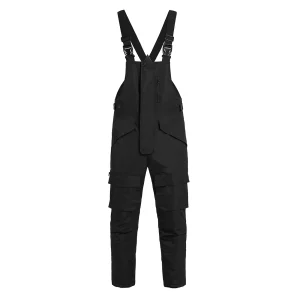
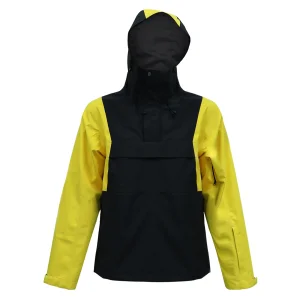
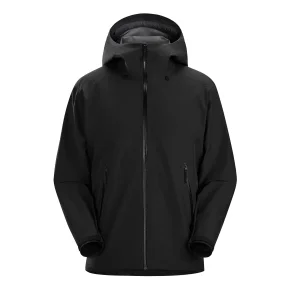
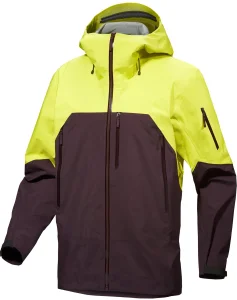
Explore our custom-engineered high-performance outerwear, fabricated with storm-level waterproofing and resilient materials.
In the highly demanding sector of marine safety apparel, sailor jackets have evolved from traditional heavy-duty utility wear into sophisticated high-tech gear. Today's global sourcing landscape requires procurement managers to balances strict safety standards with dynamic consumer trends. As offshore sailing, luxury boating, and maritime industrial activities continue to rise globally, the requirements for technical outerwear have grown exponentially.
Corporate procurement officers looking to identify reliable production facilities must navigate complex certifications, test standards, and raw material supply chains. A sailor jacket is not simply a windbreaker; it is a life-preserving garment engineered to withstand high hydrostatic pressure, abrasive saltwater environments, and extreme physical strain while offering complete mobility.
When auditing sailor jacket manufacturers, procurement managers must evaluate specific engineering metrics that define true marine grade apparel:
Advanced multi-layered fabrics fusing outer shell protective layers with smart membranes that dynamically regulate heat and moisture.
Computerized cutting beds and ergonomic articulation patterns allow sailors maximum range of motion during fast-paced deck operations.
Integrated reinforcements at high-wear areas like cuffs, elbows, and hems to dramatically extend the garment's operational lifespan.
The industrial landscape has shifted away from fragmented outsourcing toward integrated factory models. A key example is Xiamen Yuelei Sports Co., Ltd. (operating the prominent LKVER brand). Initially selling products like ski jackets and wetsuits via digital channels in 2021, the company encountered systemic delays and missed delivery windows from third-party manufacturers. Recognizing the vulnerabilities of fragmented outsourcing, the leadership made a strategic decision to build their own independent production facility in Xiamen, China.
Today, Yuelei Sports operates a state-of-the-art facility covering 1,600㎡, powered by approximately 30 highly skilled professionals. By centralizing operations, they solved lead-time instability and unlocked comprehensive OEM and ODM capabilities. Advanced computerized cutting systems, specialized seam-sealing machinery, and in-house pressure-testing chambers allow the company to execute strict quality control at every phase of production.
Operating through two Alibaba International B2B platforms and a direct-to-market AliExpress outlet, Xiamen Yuelei Sports Co., Ltd. demonstrates how agility and factory ownership can mitigate supply chain bottlenecks. By bypassing intermediary sub-contractors, they can offer international buyers direct pricing, robust customization options, and predictable production windows.
Sailor jackets are utilized in a variety of geographic locations and operational environments, each requiring tailored product configurations:
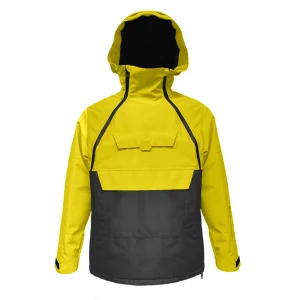
These regions demand heavy-duty, double-laminated outerwear equipped with neoprene wrist seals and high-visibility safety orange or yellow tones to satisfy maritime safety regulations in low-light environments.
These warmer, high-sunlight regions require highly breathable, lightweight 2.5-layer sailor jackets with advanced UV protective coatings (UPF 50+) and packable hoods designed for rapid weather shifts.
Crews on cargo ships require jackets designed with integrated harness loops, structural reflective tape, and oil-repellent outer coatings to resist chemical exposure on deck.
Professional rescue operations require specialized jackets with integrated flotation support, dry-suit zipper configurations, and attachment points for communication equipment and safety lights.
Explore our specialized thermal layers, active gear, and protective equipment for marine and outdoor environments.
 Yuelei