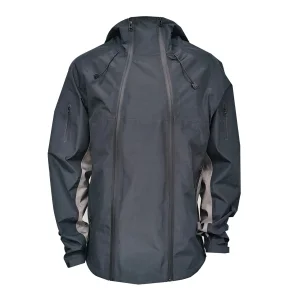
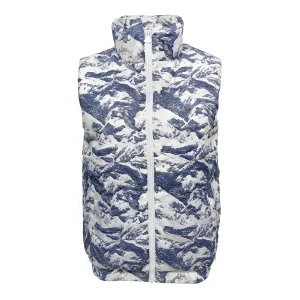
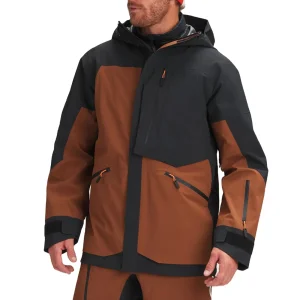
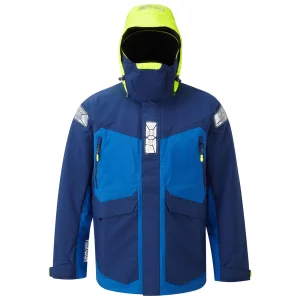
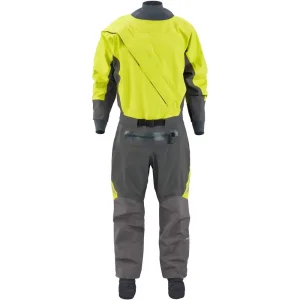
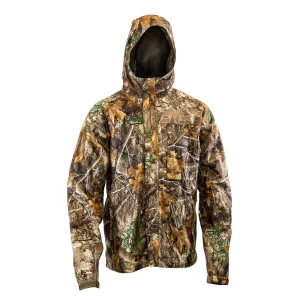
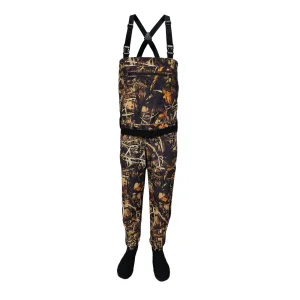
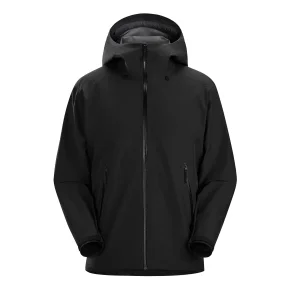
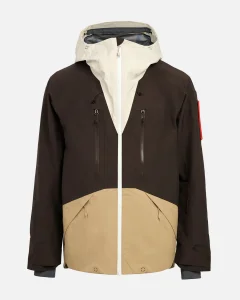
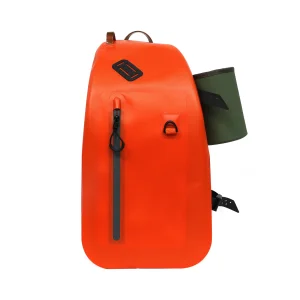
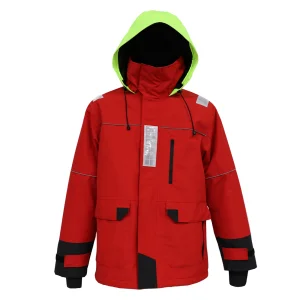
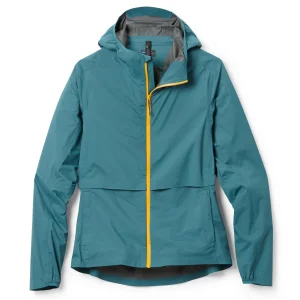
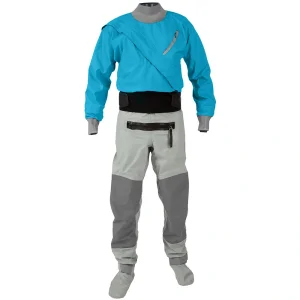
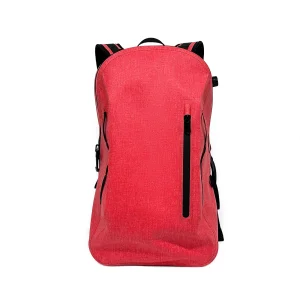
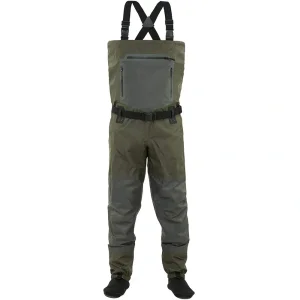
Explore our high-performance technical products engineered for environmental protection, heavy-duty durability, and outdoor survival applications.
The global plastic packaging sector represents a critical pillar of modern industrial supply chains. From beverage packaging to pharmaceutical-grade containment systems, the demand for rigid plastic packaging is driven by advancements in materials science, sustainability mandates, and shipping efficiencies. The market size, valued at over USD 185 billion, continues to evolve towards circular economy principles and light-weighted designs.
Modern plastic bottle manufacturing operates on highly calibrated thermoforming processes. Advanced factories utilize automation to ensure tolerances down to fractions of a millimeter. This precision is required to satisfy international standards in carbonated beverage retention, medical preservation, and chemical safety containment. To understand this landscape, it is helpful to analyze the top global operations leading the market.
The following manufacturers represent the highest levels of global production capacity, engineering standards, and sustainability implementation. Each factory cluster utilizes specialized technologies tailored for high-volume supply chains.
Headquartered in Austria, ALPLA operates 190 modern production facilities across 46 countries. Renowned for their "in-house production" model, they build blow-molding operations inside their clients' packaging facilities to reduce carbon footprints.
Amcor is a global leader in developing and producing responsible packaging for food, beverage, pharmaceutical, medical, and personal care industries. Their rigid plastic factories specialize in highly engineered PET containers.
Operating hundreds of factories globally, Berry Global leverages massive purchasing power and advanced injection stretch blow molding (ISBM) capabilities. They lead in lightweight, high-barrier closures and containers.
Silgan specializes in custom designed plastic bottles for personal care, healthcare, household chemical, and food markets. Their strengths include multi-layer co-extrusion technology for enhanced barrier protection.
A pioneer in recycling infrastructure, Plastipak runs vertical integration programs that manufacture new bottles from recycled PET (rPET). Their clean-room facilities produce bottles for sensitive consumer goods.
Highly focused on hot-fill technologies and blow-molded custom PET designs. Graham Packaging produces containers that can withstand hot pasteurization processes without collapsing or losing structural integrity.
Operating a dedicated "wall-to-wall" business model. By embedding manufacturing facilities directly inside their clients' packaging lines, they eliminate the logistics costs and emissions of transporting empty plastic containers.
Greiner Packaging is highly active in the European market, recognized for integrating thermoforming with in-mold labeling (IML) and producing high-strength plastic containers using minimal raw material polymers.
Specializing in PET preforms and plastic bottles. Resilux's proprietary recycling operations feed high-clarity rPET material directly back into the injection lines, minimizing polymer degradation.
This includes state-of-the-art Chinese custom fabricators operating from coastal manufacturing hubs. These hubs apply precision engineering, clean-room standards, and lean manufacturing to deliver custom solutions globally.
Modern production facilities run on three primary molding processes. The choice of engineering method is determined by the target polymer, structural requirements, and volume scale.
| Technology Process | Common Materials Used | Ideal Structural Volume | Key Industrial Advantage |
|---|---|---|---|
| Injection Stretch Blow Molding (ISBM) | PET, Clarified PP | 100ml - 5 Liters | Exceptional optical clarity, precise neck geometry, high tensile strength. |
| Extrusion Blow Molding (EBM) | HDPE, LDPE, PP, PVC | 50ml - 1000+ Liters | Enables handle integration, variable wall thickness, low tooling costs. |
| Injection Blow Molding (IBM) | PET, HDPE, PP, PC | 5ml - 250ml | Extremely tight tolerances, ideal for pharmaceutical packaging. |
In the modern B2B packaging and outdoor supply industry, relying on external assembly lines can introduce vulnerability to logistically constrained companies. Sourcing custom industrial plastics, functional containers, or outdoor gear requires dealing with manufacturers that control their own factories to prevent supply chain bottlenecks.
Xiamen Yuelei Sports Co., Ltd. operates a state-of-the-art manufacturing facility in Xiamen, China, covering 1600㎡ and staffed by approximately 30 skilled professionals. We specialize in OEM and ODM for outdoor apparel, utilizing advanced production equipment and rigorous quality control processes to ensure every product meets the highest standards. Our factory is equipped to provide comprehensive customization services, allowing us to tailor our offerings to the specific needs of our clients.
Xiamen Yuelei Outdoor Sports Co., Ltd., where the LKVER brand is based, began selling ski jackets and wetsuits on AliExpress in 2021. Due to a surge in orders and our suppliers' inability to produce on time, the company decided to establish its own production workshop under the LKVER brand. As the workshop was built, Yuelei Outdoor Sports Co., Ltd. expanded its wholesale trade model and now operates two Alibaba International platforms and one AliExpress store. Every year, we handle production and customization for a large number of new and returning customers.
This case study illustrates how direct control over manufacturing plants helps mitigate supply chain risks. By investing in dedicated equipment, tooling systems, and training, an OEM/ODM supplier can scale production, meet deadlines, and offer the customization options required by modern global enterprises.
To reduce their environmental impact, packaging buyers are shifting towards circular materials. Understanding the differences between standard plastics is key to selecting the right material for your application.
The standard material for single-serve beverage bottles. It provides high clarity and strong gas barrier properties. It is also the most widely recycled plastic globally (rPET).
A chemical-resistant, opaque polymer used for milk jugs, shampoo bottles, and heavy-duty household cleaner packaging. Excellent impact strength.
Features a high melting point, making it ideal for hot-fill processes, microwaveable food packaging, and durable plastic containers.
Global regulatory frameworks like the European Union's Packaging and Packaging Waste Regulation (PPWR) and US FDA food contact guidelines are driving the adoption of post-consumer recycled (PCR) content. Modern plastic bottle manufacturers must design their injection molding equipment to handle varying polymer melt-flow indexes without structural failures.
Answers to common technical questions from buyers sourcing packaging, containers, or custom polymers from OEM factories.
Explore the rest of our technical catalog, built for harsh outdoor environments using advanced polymer coating, hot-welded seams, and weatherproofing technologies.
 Yuelei