Advanced Production Capabilities Across High-Performance Apparel and Specialized Packaging
Navigating the complex intersection of safety, sustainability, and supply chain efficiency
The global food plastic bottle market is undergoing a radical transformation. Driven by stringent FDA and EFSA regulations and an unprecedented shift toward the circular economy, suppliers are no longer just manufacturers; they are strategic partners in food safety and brand storytelling. As a senior SEO Growth Director, I have observed that the most successful "Top 10" suppliers are those who provide significant Information Gain—offering transparency in their resin sourcing, LCA (Life Cycle Assessment) data, and barrier technology roadmaps.
Leaders in rPET (recycled Polyethylene Terephthalate) integration, offering bottles with up to 100% PCR content for the beverage industry.
Specializing in multi-layer co-injection molding to enhance oxygen barrier properties, extending the shelf life of sauces and dairy.
Pioneering PHA and PLA-based food-grade bottles that are industrially compostable, meeting the strictest EU environmental directives.
A powerhouse in high-speed blow molding, capable of producing millions of units per month with zero-defect quality protocols.
Focused exclusively on medical-grade and infant-grade food plastics, ensuring zero BPA or phthalate leaching under extreme temperatures.
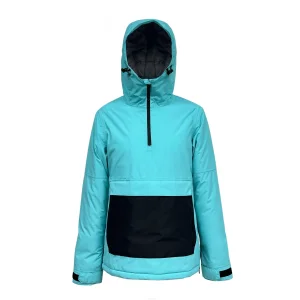
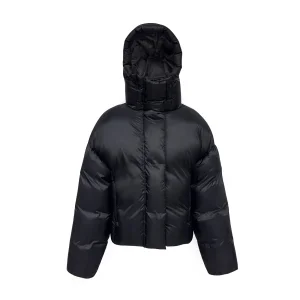
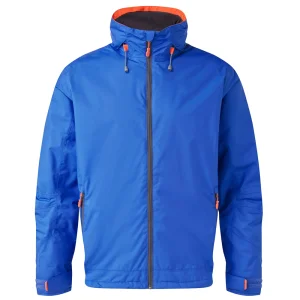
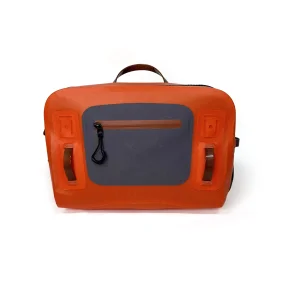
Leveraging specialized OEM/ODM capabilities and advanced production equipment to deliver custom, high-durability food-grade solutions with rapid prototyping.
Strong focus on localized European support and compliance with the "Plastic Tax" regulations through innovative lightweighting.
Utilizing chemical recycling technologies to provide food-grade recycled plastic that is indistinguishable from virgin resin.
Award-winning aesthetic designs for premium food brands, specializing in custom shapes that enhance shelf-appeal and brand identity.
The go-to for complex bottle geometries and integrated handle designs for large-format food service containers.
The Next Decade of Food Packaging Innovation
Integration of NFC chips and QR codes into bottle caps for real-time freshness tracking and consumer engagement.
Nano-coatings that prevent CO2 loss and O2 ingress, allowing plastic to compete with glass for carbonated and sensitive liquids.
Moving beyond PET to PEF (Polyethylene Furanoate), a 100% plant-based polymer with superior thermal and barrier properties.
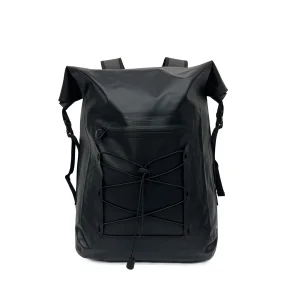
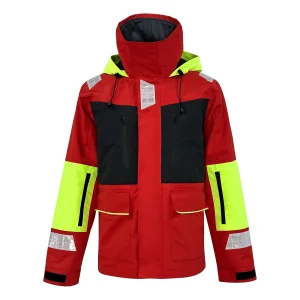
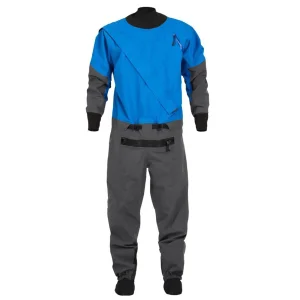
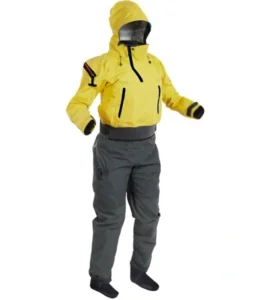
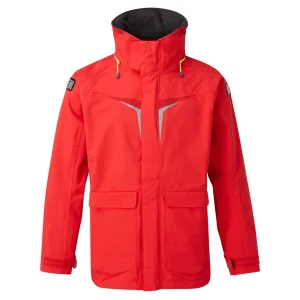
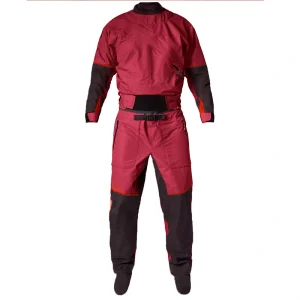
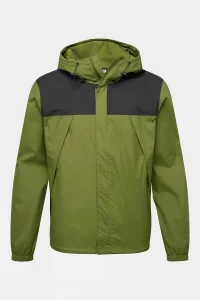
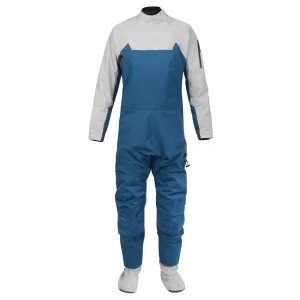
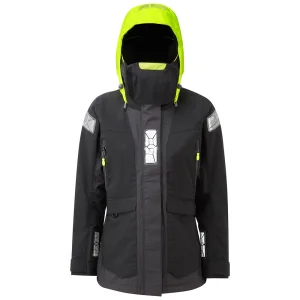
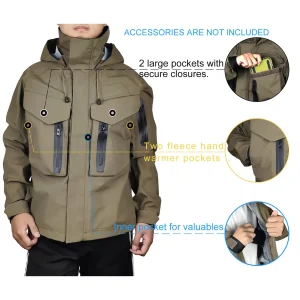
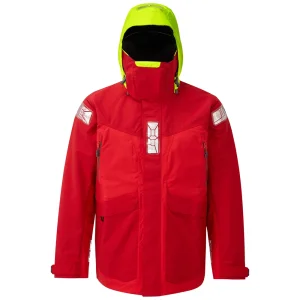
China remains the global hub for manufacturing not just because of scale, but because of Supply Chain Resilience. Xiamen Yuelei Sports Co., Ltd. exemplifies this transition. While our roots are in high-precision outdoor gear, our facility in Xiamen (1600㎡) utilizes advanced production equipment and rigorous quality control that are transferable to any high-stakes manufacturing sector.
Modern Chinese factories are characterized by Automation, Interconnectivity, and Agile Customization. This allows for a "Wholesale Trade Model" that can pivot quickly to market demands, ensuring that new and returning customers receive their production and customization orders on time, every time.
| Region | Compliance Standards | Supply Chain Requirements |
|---|---|---|
| North America | FDA CFR 21, BPA-Free, IMS (Interstate Milk Shippers) | On-demand delivery, low lead times, JIT inventory |
| European Union | EFSA, Regulation (EU) No 10/2011, CE Marking | High recycled content, carbon footprint reporting |
| Asia-Pacific | ISO 22000, HACCP, Local Food Safety Laws | Cost-competitiveness, high-volume scalability |
Sourcing food-grade plastic bottles requires a deep understanding of Localized Support and Compliance. It is not enough to find a supplier; you must find a partner who understands the legal landscape of the destination market. This includes understanding PFAS restrictions, heavy metal limits in colorants, and migration testing protocols.
From Performance Gear to Industrial Precision
 Yuelei