Explore high-performance protective jackets, technical outerwear, and extreme weather solutions engineered for rugged operations.
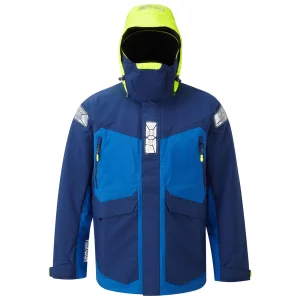
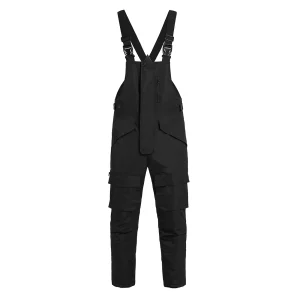
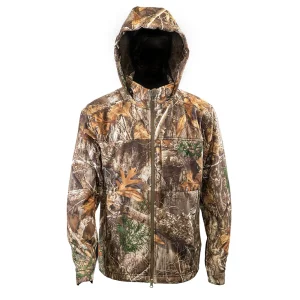
An in-depth review of industrial drysuits, analyzing the manufacturing specifications, polymer integration, vulcanization processes, and the market leaders positioning the industry for safety compliance under extreme environmental conditions.
The manufacturing of commercial and technical drysuits sits at the intersection of life-support engineering and advanced materials science. Unlike wet suits, which permit a thin layer of water to insulate the wearer, drysuits are designed to provide absolute isolation from the aquatic environment. This barrier protection is critical for search and rescue teams, scientific research divers in polar conditions, military maritime operators, and commercial offshore technicians working in high-latitude environments.
Industrial applications represent the largest volume share of the global drysuit market. Growth is primarily driven by expanding offshore wind developments, deepwater oil exploration, and governmental modernization initiatives for emergency services. Environmental hazards, such as chemical spills in harbors and radioactive contamination in municipal waste installations, have spurred a demand for high-chemical-resistance vulcanized rubber drysuits. Manufacturers have expanded R&D to focus on dual-membrane seals and bio-resistant coatings to ensure worker compliance with safety guidelines.
On the tactical and recreational side, technological cross-pollination has led to lighter trilaminate fabrics. These fabrics provide enhanced flexibility for cold-water kayaking, sailing, and technical wreck diving without sacrificing puncture or abrasion resistance.
Information Gain Insight: The shift from heavy vulcanized rubber to high-tensile multi-layered polyurethane-coated trilaminates has reduced the average weight of commercial drysuits by 35% over the past decade, dramatically lowering operational fatigue during multi-hour dive operations.
For procurement professionals, specifying a drysuit requires an understanding of the technical properties of materials. Modern drysuit production generally utilizes three material categories:
| Material Type | Abrasion Resistance | Chemical Hazard Protection | Buoyancy Control | Primary Sector Applications |
|---|---|---|---|---|
| Vulcanized Rubber | Exceptional | Maximum (Biohazard/Chemical) | Variable (Heavy) | Commercial Salvage, HazMat Diving, Nuclear Inspections |
| Trilaminate (Membrane) | High (Cordura Face) | Low-Medium | Neutral (Consistent) | Technical Exploration, Search & Rescue, Tactical Transit |
| Crushed Neoprene | Maximum (Puncture Resistant) | Low | Inherent (Slightly variable) | Deep Technical Exploration, Commercial Hull Maintenance |
The following directory profiles the leading manufacturing entities setting global standards in materials, certification, and customization capabilities.
Known for technical innovation in high-end drysuits, DUI has pioneered custom-tailored trilaminate designs and patented the ZipSeal neck and wrist system. Their products are widely utilized by search and rescue teams, scientific research stations, and military special warfare operations worldwide.
Bare Sports, a subsidiary of Huish Outdoors, stands out for its engineering of high-durability compressed neoprene and trilaminate drysuits. Incorporating their No Stitch Technology (NST) and innovative seam taping, their suits offer performance and reliability under freezing Arctic conditions.
A specialized manufacturer highly regarded in technical and exploration diving circles. Santi designs premium trilaminate suits and advanced active-heating thermal undergarments. Their bespoke fitting systems allow for custom anatomical adjustment, reducing drag and increasing mobility in tight marine environments.
Specializing in drysuits designed for extreme sub-zero survival, Ursuit manufactures suits for commercial maritime crew, offshore energy technicians, and technical divers. Their products hold extensive SOLAS approvals and CE EN ISO certifications for emergency response crews.
Recognized for Scandinavian design and engineering, Waterproof Sweden offers drysuits with anatomically sculpted panel designs. They utilize heavy-duty cordura materials, advanced silicone wrist/neck seals, and integrated exchangeable ring systems to withstand mechanical stress in cold-water environments.
As a leading supplier of recreational transit and swift-water rescue drysuits, Kokatat relies heavily on GORE-TEX laminates. Their specialized drysuits are designed for high-exertion environments like kayaking, whitewater rafting, and search and rescue operations, where breathability and light weight are essential.
O'Three specializes in high-density compressed neoprene drysuits for technical diving and offshore applications. They focus on thermal isolation, and their bespoke fitting service ensures minimal water movement inside the drysuit, preventing localized thermal leakage.
Otter Drysuits is a preferred supplier for deep cave explorers and technical divers throughout Europe. Their heavy-duty telescopic body designs and Kevlar-reinforced protective panels provide high puncture and tear resistance in challenging environments.
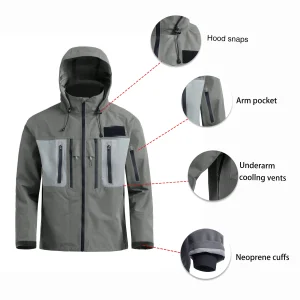
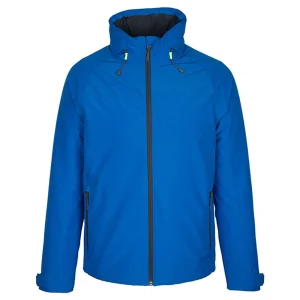
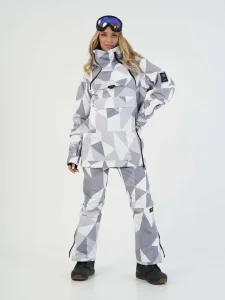
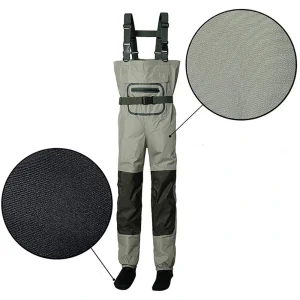
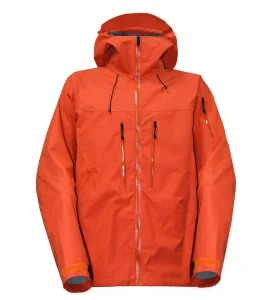
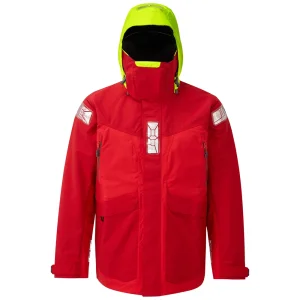
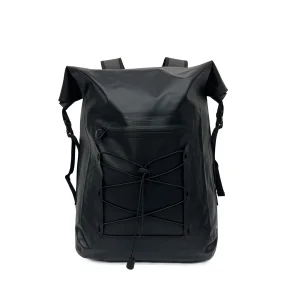
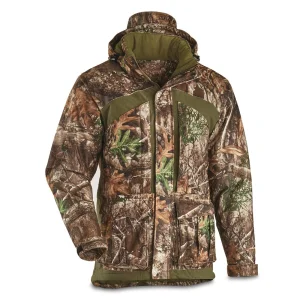
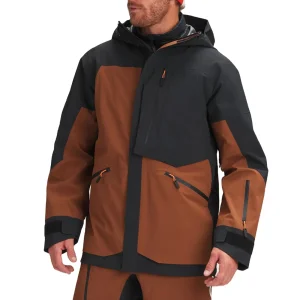
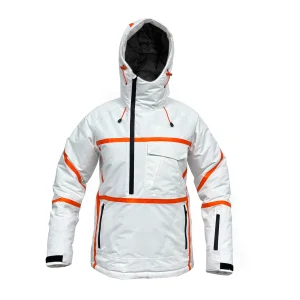
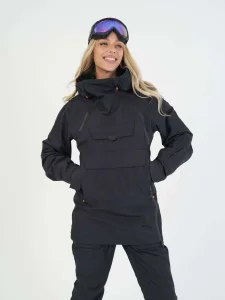
Operating a state-of-the-art 1,600㎡ manufacturing facility staffed by approximately 30 highly skilled professionals in Xiamen, China, Xiamen Yuelei Sports Co., Ltd. specializes in comprehensive OEM and ODM solutions. Building on their initial direct-to-consumer and platform-based growth under the LKVER brand, the company has scaled into a multi-channel global supplier. Yuelei Sports integrates modern production machinery and rigorous quality control protocols to supply durable outdoor protective wear, technical water sports apparel, and specialized jackets tailored to precise client specifications.
With more than four decades of experience, Northern Diver manufactures specialized drysuits for military operations, commercial salvage teams, and police dive units globally. Their product catalog features options range from heavy vulcanized rubber suits to advanced neoprene designs, engineered to meet demanding military specifications.
Different operating environments place unique demands on drysuit construction. Below, we examine three core localized application profiles where custom manufacturing specifications are vital to occupational safety:
Technicians working on wind turbine installations face risk during helicopter transfers and boat-to-turbine step-across maneuvers. In these environments, drysuits must serve a dual purpose: they must function as comfortable work suits for climbing and operating equipment, and as survival suits in the event of cold-water immersion. Trilaminate drysuits designed with high-breathability inner membranes, integrated safety harnesses, and abrasion-resistant knee and elbow padding are typically specified for these applications.
Diving under surface ice sheets requires exposure to water temperatures hovering around -1.8°C (28.7°F). Under these extreme conditions, any seal failure can quickly result in hypothermia. These missions require compressed neoprene drysuits or heavy-duty trilaminates outfitted with dual-walled latex neck seals, integrated dry hood systems, and argon gas inflation setups to maximize the thermal insulation of undergarments.
First responders deployed to urban floods frequently operate in waters contaminated by sewage, agricultural runoff, and chemical hazards. In these scenarios, traditional fabric drysuits can trap toxins in their weave, complicating decontamination. The industrial standard in these cases is vulcanized rubber drysuits with smooth exterior faces. These suits allow for thorough washing and neutralization of chemical residues, protecting personnel during long decontamination procedures.
When selecting a manufacturing partner for industrial-scale drysuit orders, procurement teams should evaluate the following structural criteria:
Technical clarifications regarding drysuit acquisition, material lifespans, custom sizing, and maintenance cycles.
Advanced waterproof protective garments, waders, and high-spec outdoor coats developed for demanding field operations.
 Yuelei