As the demand for high-quality windbreakers continues to rise, global buyers seek reliable options for 2026. The windbreaker market is evolving. Consumers require durable and stylish designs to suit various climates. This garment has become essential for outdoor enthusiasts and city dwellers alike.
Manufacturers are focusing on innovative materials to enhance performance. Features like waterproofing, breathability, and lightweight construction are crucial. Buyers want windbreakers that offer protection without sacrificing style. Brands must navigate trends and consumer preferences, all while maintaining quality.
However, not all products meet expectations. Some windbreakers fall short in durability or comfort. It's vital for buyers to research and consider expert reviews. Trustworthy recommendations play an essential role in informed purchasing decisions. Striking the right balance between function and fashion is essential for success in the competitive market.
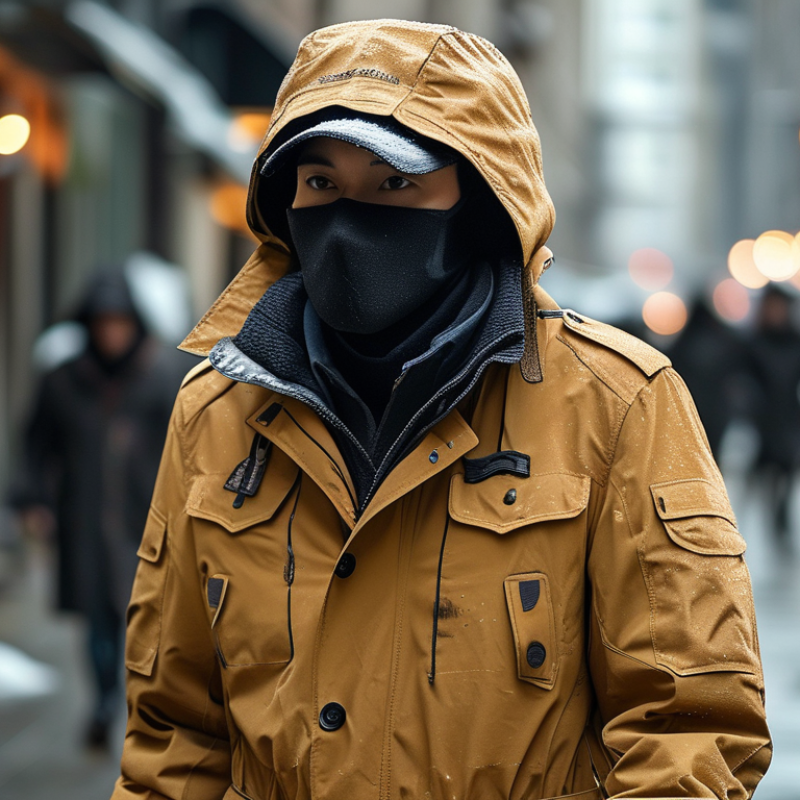
Top Quality Windbreakers: Market Overview and Trends for 2026
In 2026, the global windbreaker market is poised for significant growth, driven by increasing demand for outdoor apparel. Recent reports indicate a projected growth rate of 5.2% annually, reflecting a rise in health-conscious consumers seeking active lifestyles. Windbreakers, known for their lightweight and versatility, are at the forefront of this trend.
Current consumer preferences emphasize functionality and sustainability. Many buyers prioritize eco-friendly materials and ethical production methods. Research from industry experts notes that 70% of consumers are willing to pay more for sustainable options. Brands that embrace these principles are likely to lead in market share.
**Tip:** When choosing a windbreaker, consider the material. Look for breathable, lightweight fabrics that offer comfort and durability.
Additionally, online shopping trends show that digital marketplaces are becoming essential for reaching a global audience. E-commerce platforms are projected to capture 40% of total sales in this segment. This shift compels manufacturers to adapt quickly and ensure high-quality product images and descriptions.
**Tip:** Check customer reviews for insights on the windbreaker's performance and fit before purchasing.
The competitive landscape, however, poses challenges. Brands must continually innovate and address evolving consumer preferences. Monitoring emerging trends will be crucial for staying relevant in this dynamic market.
Key Materials and Technologies Used in High-Performance Windbreakers
As the demand for high-performance windbreakers grows, key materials and technologies are evolving rapidly. Many modern windbreakers utilize lightweight fabrics that offer enhanced breathability. These materials ensure comfort during outdoor activities. Advanced synthetic fibers, like nylon and polyester, are becoming popular choices. They provide durability while maintaining a low weight.
Incorporating water-resistant and insulating technologies is crucial. Membrane layers can block wind and water, yet allow moisture to escape. Some designs feature thermal lining for extra warmth without bulk. However, the balance between insulation and breathability often presents challenges. Windbreakers must adapt to diverse weather conditions while ensuring wearer comfort.
Sustainability is also a growing focus. Brands explore recycled materials and eco-friendly manufacturing processes. Yet, the industry still grapples with the environmental impact of these technologies. Continuous improvement is necessary as trends evolve. Understanding users' needs and preferences remains vital in this competitive market. Not every solution is perfect, requiring ongoing innovation and thoughtful design.
Top Quality Windbreakers for Global Buyers in 2026
| Material |
Water Resistance |
Breathability |
Durability |
Technological Features |
| Nylon |
High |
Moderate |
Good |
DWR (Durable Water Repellent) |
| Polyester |
Moderate |
High |
Very Good |
Breathable Membrane |
| Gore-Tex |
Very High |
Very High |
Excellent |
Waterproof and Breathable |
| Softshell |
Moderate |
Excellent |
Good |
Insulation Layer |
| Ripstop Fabric |
High |
Moderate |
Very Good |
Windproof |
Consumer Preferences: Features that Define Top Windbreakers in 2026
In 2026, windbreakers will be more than just a fashion statement. Consumer preferences are shifting towards
functionality and sustainability.
According to a recent market report, 65% of buyers prioritize eco-friendly materials.
This shift reflects growing environmental awareness among consumers.
Key features that define top windbreakers include breathability, packability, and
weather resistance. A survey revealed that 70% of outdoor enthusiasts seek
lightweight designs. Durability remains vital, with 58% of users needing reliable performance for
varied climates. Texture influences comfort, and fabric blends that combine style with utility are in demand.
Tip: Always check for water resistance ratings before choosing a windbreaker. This small detail
can significantly enhance your outdoor experience.
Design versatility is paramount. Many consumers desire options that suit different activities—urban commuting
and hiking alike. Yet, with so many choices, consumers may feel overwhelmed. A lack of clear information
can lead to confusion.
Tip: Look for user reviews to gauge real-world performance. Authentic experiences can guide your
decision-making process.
As preferences evolve, manufacturers must adapt. Balancing aesthetics with functionality is key. Crafting the
perfect windbreaker requires listening to consumers. Their voices shape the future of this essential outerwear.
Market Leaders: Leading Brands in the Windbreaker Sector for Global Buyers
As the windbreaker market evolves, several brands are establishing themselves as leaders in 2026. They focus on quality, style, and functionality. These brands pay attention to customer needs and trends. They incorporate innovative fabrics and designs that distinguish them from others. The emphasis is on durability and comfort, essential features for outdoor enthusiasts.
Tips: When choosing a windbreaker, consider climate suitability. Fabrics should offer weather resistance while allowing breathability. A snug fit is crucial; too loose, and it loses functionality. Look for additional features like pockets and adjustable hoods. These practical elements enhance usability and convenience.
Market leaders have successfully created collections that cater to diverse lifestyles. Trends indicate a shift towards sustainable materials. Consumers increasingly prefer ethically produced garments. Reflect on your choices; consider how brands can impact the environment. It's wise to research brands that align with your values, promoting both style and sustainability in your windbreaker selections.
Sales Data and Forecast: Windbreaker Market Growth and Demand Projections
The windbreaker market is poised for significant growth in 2026. Sales data indicates a steady increase in demand across various regions. Consumers are leaning towards high-quality, durable options. Windbreakers are not just stylish; they provide essential protection against the elements.
Many buyers seek features like water resistance and breathability. This trend reflects a growing awareness of outdoor activities and sustainability. Quality plays a crucial role. Investing in a windbreaker means considering its fabric and manufacturing process. Premium materials often ensure longer-lasting wear.
Tips for selecting the right windbreaker include checking reviews and understanding sizing. Those who prioritize fit often enjoy their garments more. Look for certifications that assure quality. New buyers should examine product details closely. Consider the intended use, whether for casual wear or outdoor sports. A well-chosen windbreaker combines style and functionality, enhancing the overall experience.
Conclusion
The article titled "Top Quality Windbreakers for Global Buyers in 2026" provides a comprehensive overview of the windbreaker market, highlighting the latest trends and consumer preferences expected to emerge by 2026. It examines key materials and technologies that contribute to high-performance windbreakers, emphasizing durability, weather resistance, and comfort as essential features for consumers.
Additionally, the article discusses market leaders within the windbreaker sector, outlining how these brands meet the rising demand driven by an increasing focus on outdoor activities and fashion. Sales data and forecasts indicate significant growth for windbreakers, with projections reflecting heightened consumer interest and evolving style preferences. Overall, the piece serves as a valuable resource for global buyers looking to navigate the dynamic windbreaker market in the coming years.

 Yuelei