Choosing reliable chest wader manufacturers in China requires more than comparing catalog prices. Global buyers must examine materials, stitching quality, production controls, and communication practices. This guide introduces leading Chinese suppliers and explains how their experience serves fishing, hunting, farming, and outdoor workwear markets.
A dependable chest wader should feel flexible without becoming fragile. Its seams should remain sealed after repeated bending and exposure to cold water. Buyers should review fabric specifications, boot construction, suspender strength, size grading, and waterproof testing records. Factory experience also matters. Manufacturers with consistent export histories often understand packaging, private labeling, inspection procedures, and shipping schedules more clearly.
Details matter most.
However, no supplier is perfect. A polished sample may not fully represent every bulk shipment. Material substitutions, rushed production, or unclear inspection standards can create avoidable problems. Buyers should request recent samples, confirm production capacity, and inspect critical areas before placing large orders. Factory audits and third-party testing can add useful evidence, but they cannot replace careful communication.
This article evaluates China’s top chest wader manufacturers through practical purchasing criteria. It considers product quality, customization options, manufacturing experience, certifications, minimum order quantities, and after-sales support. The goal is not to promote one company blindly. It is to help buyers compare evidence, recognize limitations, and select a supplier that fits their market, budget, and performance expectations.
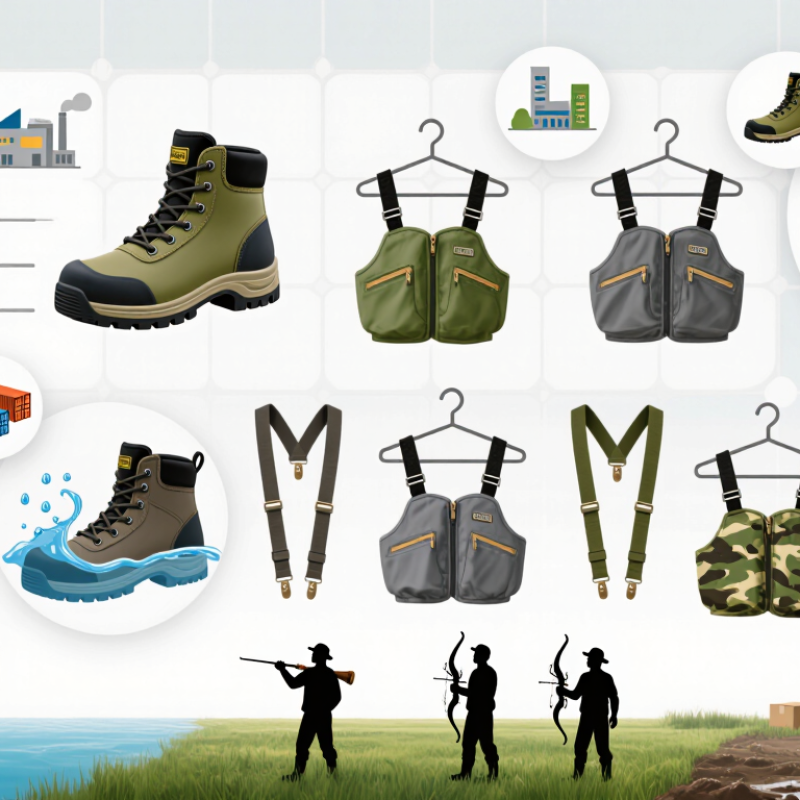
Chest waders are waterproof trousers that extend from the feet to the chest. They protect anglers and outdoor workers from cold water, mud, and sharp vegetation. Most designs use layered fabric, reinforced seams, attached boots, and adjustable shoulder straps. A proper pair should allow walking, bending, and careful entry into shallow water without restricting movement.
Chinese manufacturers matter because they combine large-scale production with flexible development. Many factories can source waterproof fabrics, produce custom patterns, and adjust sizing for different markets. Experienced buyers usually request material samples, seam-strength tests, boot inspections, and a pre-production sample. Factory visits or independent inspections can reveal details that photographs miss, such as uneven stitching or weak strap anchors.
Cost is important, but it should not lead the decision. A low quotation may hide thinner fabric, inconsistent sizing, or limited after-sales support. Not every supplier performs equally. Buyers need clear specifications, written quality standards, and traceable inspection records. Communication can also fail when technical terms are vague. That mistake is common. Chinese production teams often improve products through repeated sampling, yet the buyer must still test comfort, drying time, and movement in realistic conditions. A wader that looks strong on a table may feel stiff beside a cold river.
Choosing a leading chest wader manufacturer in China requires more than comparing catalog photos. Examine the factory, not only the trading office. Ask for production videos, workshop addresses, employee training records, and recent quality reports. A reliable supplier should explain fabric layers, seam construction, boot attachment, and repair procedures clearly.
Request samples in several sizes. Check the waders after repeated bending, kneeling, and walking over wet ground. Inspect taped seams, pocket stitching, suspenders, buckles, and boot soles. Measure waterproof performance through controlled testing, preferably with independent laboratory support. Also review material traceability, packing methods, production capacity, minimum order quantities, and delivery records. Clear answers matter.
Small details reveal competence.
Do not judge quality from one perfect sample. Production batches may vary. Ask how inspectors handle failed pieces and whether inspection records are shared. Confirm color, logo placement, size charts, labeling, and packaging before approval. A strong manufacturer welcomes written specifications and pre-shipment inspections. Communication should remain accurate when problems appear, although no supplier handles every issue perfectly. My evaluation would include a trial order, because factory promises can sound better than factory results. Payment terms, replacement policies, and technical support deserve equal attention. A lower quotation may hide thinner fabric, weaker seams, or unstable sizing. Reliability is proven through repeatable work, honest reporting, and timely corrective action.
This 100-point procurement benchmark focuses on the factors global buyers commonly review when assessing chest wader manufacturers. Waterproof performance can be verified through hydrostatic-pressure testing such as ISO 811, while applicable rainwear compliance may reference EN 343 and market-specific chemical requirements such as REACH.
The benchmark gives the highest weight to waterproof performance and seam construction because leakage resistance is essential for chest waders. Material durability, sizing consistency, compliance documentation, minimum order quantity, and lead-time reliability provide additional insight into production capability and export readiness.
China Top Chest Wader Manufacturers for Global Buyers
Key Materials, Designs, and Production Standards to Compare
In factory evaluations, I compare materials before discussing price. PVC waders resist abrasion and remain practical for muddy, rocky work. Neoprene provides warmth, but it feels heavier during long walks. Breathable laminates reduce heat buildup, although their membranes need careful seam protection. Ask for fabric weight, coating thickness, and test reports. Samples should show consistent texture, flexible joints, and no sharp chemical odor.
Design details affect field performance. A reinforced seat and knees can extend service life. Wide adjustable suspenders should stay comfortable over layered clothing. Check the boot connection, gusset shape, and tread depth closely. Poorly placed seams may rub after several hours. Pocket placement matters too. Wet gloves make small zippers surprisingly difficult. I have seen attractive samples fail because the boot sizing was inconsistent.
Reliable production requires more than a polished sample. Compare incoming material inspection, cutting accuracy, seam-welding records, and final water-pressure testing. Ask how factories trace batches and handle rejected units. Relevant standards may include ISO-based quality systems and destination-specific textile or footwear requirements. Verify the actual scope of each certificate. It is easy to trust a document too quickly. Buyers should also request abrasion, tensile, flex, and leakage results from independent laboratories when practical. A lower-cost design may win an order, but repeated repairs can change the real calculation.
A practical comparison framework for evaluating chest wader specifications, manufacturing capability, quality control, and export readiness.
| Comparison Dimension | Common Material or Design Options | Objective Benchmark to Compare | Buyer Verification Points |
|---|---|---|---|
| Primary Shell Material | Neoprene PVC-coated fabric PU-coated fabric Breathable laminate | Neoprene is commonly selected for insulation and flexibility. PVC and PU coatings provide waterproof protection at a competitive cost. Breathable laminates are designed to allow water vapor to escape while blocking liquid water. | Request the fabric construction, coating or membrane composition, thickness, mass per unit area, supplier test report, and lot traceability. Do not compare products by material name alone. |
| Neoprene Thickness | Approximately 3.5 mm, 5 mm, or 7 mm neoprene constructions | Thicker neoprene generally provides more thermal insulation and buoyancy but increases weight and reduces flexibility. The appropriate thickness depends on water temperature, activity level, and intended season. | Check thickness tolerance, fabric lamination, stretch recovery, cold-temperature flexibility, and whether the stated thickness applies to the whole garment or selected panels only. |
| Coated-Fabric Weight | Lightweight, midweight, and heavy-duty coated textiles | A lower fabric weight can improve packability and comfort, while heavier constructions can improve abrasion resistance. Fabric mass should be compared in grams per square metre rather than by marketing terms. | Ask for GSM test results, coating thickness, tear strength, tensile strength, and abrasion data for the exact production fabric. |
| Breathable Construction | Two-layer, three-layer, or coated breathable textile systems | Three-layer constructions generally protect the membrane with an inner backing. Breathability is commonly reported as moisture vapour transmission, while waterproofness is commonly reported as hydrostatic pressure. | Request the test method, test laboratory, result units, and sample conditioning. Breathability results from different methods should not be compared directly without checking the method. |
| Seam Construction | Sewn and taped Welded Liquid-sealed Blind-stitched neoprene | Waterproof performance depends on seam design, tape or welding quality, stitch density, seam allowance, and the compatibility of sealant with the shell material. | Inspect inside and outside seam photographs, seam-tape width, tape adhesion, welding continuity, needle-hole sealing, and finished-garment leak-test records. |
| Waterproofness Testing | Hydrostatic-pressure testing and finished-garment leak testing | ISO 811 is a recognized method for determining the resistance of fabrics to water penetration under hydrostatic pressure. Finished garments should also be checked because fabric performance does not guarantee seam performance. | Require reports for the actual fabric and finished product. Confirm the pressure level, test duration, failure criteria, sample location, and whether testing was performed before or after washing or flexing. |
| Rainwear Performance | Protection against precipitation and surface moisture | EN 343 is a European standard used for protective clothing against rain and includes requirements relating to resistance to water penetration and water-vapour resistance. Its applicability should be confirmed for the intended product classification. | If EN 343 is claimed, verify the declaration, technical file, classification, notified-body or laboratory documentation where applicable, and the exact model covered by the documents. |
| Boot Integration | Rubber boots, PVC boots, neoprene booties, or removable footwear systems | Integrated boots should provide a secure connection, adequate sole traction, consistent sizing, and resistance to flex cracking. Boot material and outsole design strongly affect durability and safety. | Compare sole pattern, heel design, flex testing, puncture resistance where required, cold-temperature performance, boot-to-leg attachment, and available size grading. |
| Outsole Traction | Cleated rubber Lugged PVC Felt sole Stud-compatible sole | Lugged rubber or PVC soles are common for general outdoor use. Felt soles can improve grip on some wet, smooth surfaces but may be restricted in certain regions because of biosecurity concerns. | Confirm the target-country rules for felt soles, request wet-slip test information where available, and evaluate outsole adhesion, lug wear, and replacement or repair options. |
| Suspender System | Elastic suspenders, adjustable webbing, quick-release buckles, and reinforced attachment points | A reliable system should maintain adjustment under movement, distribute garment weight comfortably, and resist repeated loading at the attachment points. | Review buckle material, webbing width, pull-test results, adjustment range, corrosion resistance, spare-part availability, and reinforcement stitching. |
| Fit and Size Grading | Regular fit, relaxed fit, layering fit, unisex grading, and custom size grading | Chest, inseam, boot size, hip, and upper-body length should be graded consistently. A layering fit should allow movement without excessive fabric that can snag or leak at stress points. | Request a complete measurement chart, tolerance table, graded patterns, fit samples, and measurement instructions. Confirm whether boot dimensions are included in the stated inseam. |
| Reinforcement Areas | Knees, seat, lower legs, boot junctions, pocket openings, and suspension points | Reinforcement should match the intended abrasion exposure. Extra panels can improve service life but may increase weight, stiffness, and production complexity. | Compare reinforcement fabric, panel coverage, edge binding, stitch density, seam placement, and test results from abrasion or flexing simulations. |
| Pocket Design | Water-resistant chest pockets, fleece-lined hand-warmer pockets, cargo pockets, and tool loops | Pocket performance depends on closure construction, drainage, seam sealing, accessibility while wearing gloves, and compatibility with chest-mounted equipment. | Check zipper or flap protection, drainage openings, pocket load limits, waterproofness after repeated opening, and whether pocket placement interferes with suspenders. |
| Durability and Flex Testing | Flex cycling, seam fatigue, abrasion, tear, tensile, and cold-bend testing | Testing should reproduce the intended use environment. Cold-bend testing is particularly relevant to coated materials and boots used in low temperatures. | Request the test protocol, number of cycles, temperature, load, pass/fail criteria, sample quantity, and corrective-action records for failed lots. |
| Colorfastness and Chemical Control | Dye and coating systems selected for freshwater, saltwater, sunlight, and repeated cleaning | Common evaluations include colorfastness to washing, rubbing, water, and light. Restricted-substance controls are important for products sold in regulated markets. | Ask for applicable REACH-related documentation for the EU market, restricted-substance test reports, azo-dye and phthalate controls where relevant, and material declarations from upstream suppliers. |
| Manufacturing Quality System | Incoming-material inspection, in-line inspection, final inspection, and corrective-action procedures | A documented quality system should control specifications, approved samples, production changes, nonconforming goods, calibration, and lot-level traceability. ISO 9001 certification may support system evaluation but does not replace product testing. | Review the quality manual or audit summary, inspection checklists, defect classification, AQL plan, calibration records, and corrective-action reports. |
| Production Capacity | In-house cutting, sewing, welding, seam taping, boot assembly, and outsourced operations | Actual capacity depends on style complexity, seasonal demand, labor allocation, material availability, and the proportion of processes performed in-house. | Request monthly capacity by product type, lead time by order quantity, bottleneck processes, backup production arrangements, and evidence that critical waterproofing processes are controlled. |
| Sampling and Pre-Production Approval | Prototype sample, size-set sample, wear-test sample, and golden sample | A signed golden sample and approved specification reduce the risk of changes in fabric, color, measurements, components, or seam construction during mass production. | Establish a written approval process covering bill of materials, measurement tolerances, artwork, packaging, labeling, workmanship, and permitted substitutions. |
| Final Inspection and Acceptance | 100% visual inspection plus sampling-based dimensional and leak checks | Inspection should cover appearance, measurements, components, seam sealing, boot attachment, labels, packaging, and functional defects. The sampling plan should be agreed before production. | Define AQL levels, critical/major/minor defects, inspection stage, sampling quantity, photographic evidence, and the procedure for rework or rejected goods. |
| Packaging and Export Readiness | Individual polybag, carton packing, moisture protection, barcode labeling, and export cartons | Packaging should prevent compression damage, contamination, mildew, color transfer, and boot deformation during storage and international transport. | Confirm carton dimensions, gross and net weights, carton-drop requirements, moisture-control measures, shipping marks, barcode format, country-of-origin marking, and destination-market labeling. |
| Recommended Supplier Comparison Score |
Materials: 20% Waterproof construction: 20% Durability: 15% Fit and comfort: 15% Quality system: 15% Compliance and documentation: 10% Commercial capability: 5% |
A weighted score helps buyers compare suppliers using the same criteria rather than relying only on unit price or catalog photography. | Set minimum pass thresholds for waterproofness, seam quality, compliance documents, and critical defects before applying the overall score. |
Important: Performance values and certifications should be verified for the exact model, material lot, and destination market. A fabric test report, factory certification, or general catalog claim should not be treated as proof of finished-garment compliance without model-specific documentation.
China’s chest wader manufacturers support global buyers through structured export processes. Experienced factories usually prepare commercial invoices, packing lists, size details, and shipping documents carefully. Export teams can also coordinate carton markings and delivery schedules with freight partners.
Customization often begins with practical specifications. Buyers may request breathable fabric, reinforced knees, taped seams, adjustable suspenders, or different boot materials. Color matching usually follows an approved sample or Pantone reference. Size charts should include chest, inseam, boot length, and tolerance measurements. Small details matter.
A reliable supplier normally shares pre-production samples and inspection photos before shipment. Some factories check waterproof performance, seam bonding, and boot attachment during production. Buyer support may include packaging changes, replacement discussions, and guidance for country-specific labeling requirements. Communication should be written and traceable. Keep every detail clear.
Not every first sample is perfect. A zipper may feel too stiff, or the boot size may run narrow. Careful buyers test samples in realistic conditions before placing larger orders. That extra step can reveal problems early. Clear feedback helps the factory adjust materials, workmanship, and packing. Steady support matters more than attractive promises.
Selecting a Chinese chest wader supplier requires more than comparing unit prices. Check factory experience, material control, and production capacity. Ask for waterproof fabric specifications, seam-tape details, and test records from recent batches. A supplier should explain hydrostatic pressure testing, abrasion testing, and cold-flex performance clearly. Vague answers create expensive problems later. The ISO Survey 2023 recorded more than 426,000 ISO 9001 certificates in China, but certification alone cannot prove product quality. Request the certificate scope, audit date, and factory address. Then verify whether it covers garment production.
A practical buyer should inspect one pre-production sample and one final packed sample. Compare weight, boot alignment, suspender adjustment, stitching density, and pocket sealing. Ask how rejected materials are separated. Also review inspection photos, carton markings, and replacement procedures. The World Bank’s Logistics Performance Index 2023 placed China 19th globally, showing strong logistics capability, yet port delays and seasonal capacity still require planning. Confirm lead times with a written production schedule. I have seen attractive samples fail during repeated kneeling tests. Samples can mislead.
Tips: Use a third-party inspection before shipment. Test several sizes, not only the standard sample. Request lot-based reports, not generic certificates. Keep communication in written specifications. A lower price may reflect thinner fabric, weaker boots, or limited after-sales support. That trade-off deserves careful review.
Inspect the factory, not only the trading office. Request workshop videos, training records, quality reports, and the production address.
Check fabric layers, taped seams, boot attachment, suspenders, buckles, pockets, and boot soles. Small details reveal competence.
Use controlled waterproof testing, preferably with independent laboratory support. Review hydrostatic pressure, abrasion, and cold-flex results.
Yes. Request several sizes and compare bending, kneeling, walking, stitching, boot alignment, and suspender adjustment.
Request records from recent batches, not generic certificates. Ask how failed pieces are separated, repaired, or replaced.
Confirm written specifications for color, sizing, labels, logo placement, packaging, materials, and inspection requirements.
A trial order reveals actual production quality, packing methods, delivery performance, and communication accuracy. Factory promises may sound better than results.
Request production capacity, minimum order quantities, lead times, carton markings, and replacement procedures. Seasonal delays still require planning.
It may reflect thinner fabric, weaker seams, unstable sizing, or limited technical support. Price alone is a poor quality measure.
Chest waders are waterproof garments designed to protect anglers, workers, and outdoor users from water, mud, and changing weather while providing comfort and mobility. Chinese manufacturers matter to global buyers because they combine large-scale production, flexible customization, competitive pricing, and experience serving different international markets. When evaluating suppliers, buyers should compare manufacturing capacity, quality control systems, material selection, stitching strength, waterproof performance, sizing accuracy, and product testing standards. Key options may include various waterproof fabrics, reinforced panels, breathable structures, adjustable suspenders, durable boots, and designs suited to different environments.
A reliable Chinese supplier should also demonstrate strong export experience, clear communication, stable lead times, secure packaging, and responsive after-sales support. Buyers may request custom colors, logos, sizes, packaging, and product specifications, provided these requirements meet applicable regulations and safety expectations. To select the right partner, global buyers should review samples, factory capabilities, certifications, production processes, minimum order quantities, pricing, and delivery terms. A careful comparison helps ensure the chosen chest wader supplier can provide consistent quality, practical design, dependable service, and long-term cooperation.

Yuelei