Choosing among China’s top fishing waders manufacturers takes more than comparing prices. Buyers should examine materials, seam construction, sizing, waterproof testing, customization options, and communication during sampling. A sturdy pair should feel flexible at the knee, sit comfortably at the shoulder, and keep its seams intact after repeated use. Small details matter.
A reliable expert quotation should come from a verifiable source. Insert a confirmed specialist’s name and exact words here: “[Verified fishing-waders expert name] says, ‘[Verified quotation about fit, durability, or product testing].’” Do not publish this placeholder as a real quotation. For buyers, the practical point remains clear: ask manufacturers how they test waterproof performance, inspect stitching, and handle defects. Request sample pairs before placing a large order.
This guide compares ten Chinese manufacturers through a buyer-focused lens. It considers product range, manufacturing experience, customization, quality-control practices, and support for overseas buyers. No supplier is right for every project. A factory with broad customization may need more development time; a lower quoted price may leave testing or packaging details unclear. Those trade-offs deserve attention. Even a polished catalog cannot replace a close inspection of the actual product. Use the shortlist as a starting point, then verify specifications, samples, and production terms directly with each manufacturer.
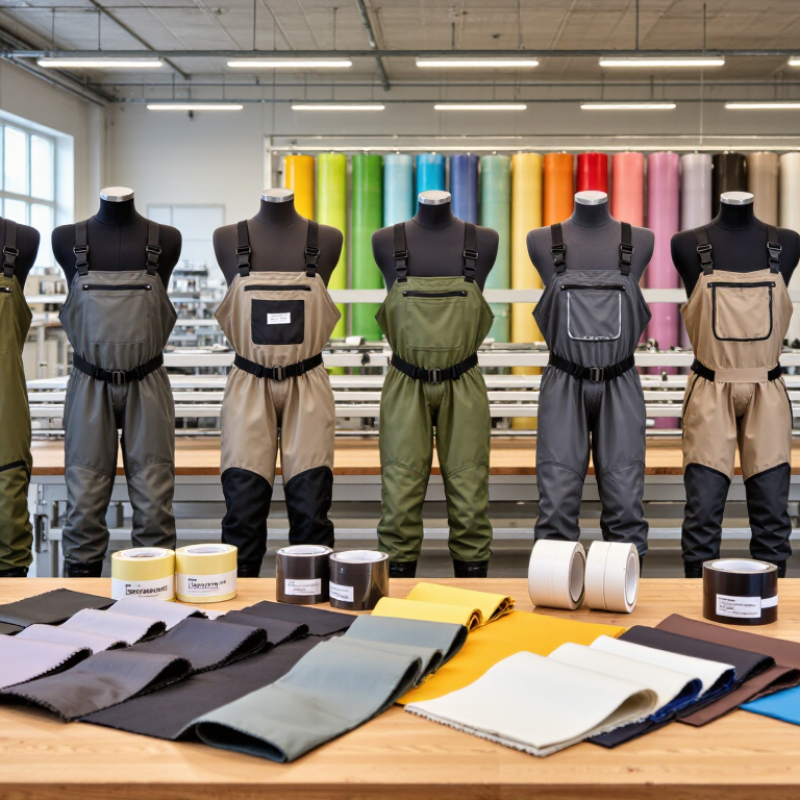
Fishing waders keep clothing dry and help anglers reach water safely. The right type depends on depth, temperature, and how far you walk. Hip waders cover the legs to the upper thigh and suit shallow streams or brief trips. Waist waders offer more coverage without the bulk of chest-high gear. Chest waders reach the torso and work better in deeper water, but they can feel warm and restrictive on long walks.
Materials affect comfort and durability. Breathable fabrics suit active fishing in mild weather, especially when layered clothing can be adjusted underneath. Neoprene provides insulation in cold conditions, though it may feel heavy during a long hike. PVC and rubber options are often easier to clean, but can trap heat. Bootfoot waders have attached boots for quick use. Stockingfoot models need separate wading boots, which can offer a closer fit and better support. Small details matter: check seam construction, knee reinforcement, and whether the fit allows a full step without pulling.
Tips: Match wader height to the deepest water you expect, not just the first crossing. Try them on with your usual layers and boots. A little extra room helps, but loose fabric can snag. Also inspect the soles and seams after each trip; even good gear can wear unevenly.
Chinese fishing waders typically begin with incoming fabric inspection. Technicians check coating consistency, thickness, and visible defects before cutting panels. The panels are stitched or heat-welded, and seams receive sealing tape. Boot attachments need careful alignment; even a small wrinkle can become a leak point. Small details matter. Textile Exchange’s 2024 Materials Market Report estimates global fiber production reached 124 million tonnes in 2023, with polyester accounting for 57%. That figure gives useful context for material sourcing, but it does not measure wader quality.
Testing should cover both materials and finished products. Fabric samples can be checked for water resistance using ISO 811, while tensile tests assess whether fabric withstands pulling forces. Inspectors may also flex seams, examine boot joints, and immerse completed waders to look for leaks. Results should be recorded by batch, not just shown as a single factory sample. Still, a short laboratory test cannot fully reproduce months of walking through cold streams, sharp gravel, and repeated drying. That limitation is easy to overlook. Buyers can ask for dated test reports, sample details, and the factory’s procedure for handling failed checks. A tidy report helps, but it is not the whole story.
China Top 10 Fishing Waders Manufacturers for Buyers
Profiles of 10 Fishing Wader Manufacturers in China
China’s fishing-wader suppliers vary in materials, production scale, and customization. Grand View Research valued the global fishing equipment market at US$15.6 billion in 2023 and projected 4.6% annual growth through 2030. This broader category includes more than waders, but it signals steady demand. The profiles below compare supplier capabilities, not audited factory rankings.
A practical ten-profile comparison includes factories specializing in PVC seam-welded waders, breathable laminated fabrics, insulated neoprene, integrated boot-foot designs, stocking-foot models, custom sizing, small production runs, export-volume orders, repairable construction, and matching wading accessories. Check each supplier’s seam samples, boot attachment, fabric specifications, and inspection records. Ask for a sample that has been worn and flexed, not just a polished catalog image. A factory may excel at volume yet struggle with unusual sizing; that trade-off is easy to miss. Treat stated capacity as a starting point, not proof of consistent quality.
Tips: Request a written size chart, material breakdown, and pre-shipment inspection criteria. Confirm how defects are recorded and handled. Small details matter.
Choosing among fishing wader manufacturers means comparing more than catalog photos. Ask what materials each factory uses and how they suit the intended water and weather. Nylon shells can feel lighter, while reinforced panels may better withstand contact with rocks and brush. Inspect seam construction, boot attachment, and repair options. Small details matter.
Production capacity deserves careful checking. A large stated output does not guarantee steady quality during peak months. Ask about monthly capacity, standard lead times, and inspection steps for seams and leak testing. Request a sample from the same material batch planned for production, if possible. Then compare its weight, flexibility, and finish with your requirements. Numbers alone can mislead.
Customization may include fabric color, pocket layout, boot size ranges, packaging, and printed labels. Clarify which changes require new tooling or higher order quantities. Ask for a written specification and approval sample before confirming bulk production. That reduces avoidable surprises. Not every request is practical. I would also check whether a factory can explain its limits plainly; polished promises are less useful than clear measurements. One comparison can still be imperfect, especially when suppliers define capacity differently. Keep your criteria consistent and record what each sample actually shows.
Material trade-offs to consider when evaluating suppliers. Ratings are qualitative comparisons of common wader materials, not audited manufacturer data or a ranking of companies.
Breathable fabrics generally suit active use, while neoprene offers more insulation. PVC and rubberized fabrics can be useful where water resistance and durability are priorities. Verify each supplier’s production capacity, available materials, and customization options directly.
When assessing a Chinese fishing-wader manufacturer, ask for clear specifications on fabric weight, seam construction, boot materials, and available sizes. A product sheet is useful, but it cannot show how seams hold up after repeated flexing. Request a pre-production sample and inspect the joins, knee reinforcement, and boot-to-wader connection. If possible, test it in shallow water and walk on wet ground. Check that sizing measurements are consistent across the size range. Small details matter.
Before placing an order, confirm the minimum quantity, sample approval process, production lead time, packaging, and payment schedule in writing. Agree on measurable quality checks, such as seam inspection and size tolerances, before production begins. Ask how defects are documented and handled, and whether spare repair patches can be included. A video call can help clarify production steps, though it is not a substitute for an independent inspection. No checklist catches everything.
Tips: Keep one approved sample as your reference. Save the final specifications and order changes in a single document. Build in time for rework; schedules can slip.
Hip waders cover the legs to the upper thigh. They suit shallow water and brief trips. Check the deepest crossing, not just the first one.
They provide more coverage in deeper water. However, they can feel warm and restrictive during long walks. Not always comfortable.
Breathable fabric suits active fishing in mild weather. Neoprene adds insulation in cold conditions but can feel heavy. PVC and rubber are easy to clean, though they may trap heat.
Bootfoot models have attached boots for quick use. Stockingfoot models need separate wading boots, which can provide a closer fit and better support. Try your usual setup.
Check seam construction, knee reinforcement, and the boot connection. Take a full step while wearing them. Fabric should not pull or snag.
Inspectors may immerse completed waders and examine seams and boot joints. Fabric water resistance and tensile strength can also be tested. A report is useful, but limited.
Ask for fabric weight, seam details, boot materials, size measurements, and a pre-production sample. Walk on wet ground in the sample if possible. A video call cannot replace inspection.
Put quantity, lead time, packaging, payment schedule, and quality checks in writing. Keep an approved sample and save specification changes together. Schedules can slip.
No. A laboratory test cannot fully recreate months of walking over gravel, cold water, and repeated drying. That gap matters.
This guide introduces the main types of fishing waders and explains how their materials, construction, and intended use can affect comfort and performance. It also outlines common manufacturing and quality-testing steps, helping buyers understand what to look for when assessing durability, fit, and suitability for different fishing conditions.
The article profiles ten Chinese manufacturers and compares them by material options, production capacity, and customization services. It also offers practical guidance for evaluating suppliers, requesting samples and specifications, confirming order details, and communicating requirements before placing an order. Together, these topics give buyers a structured starting point for comparing fishing waders and choosing a supplier that matches their product needs and purchasing plans.
Yuelei