Choosing a Ski jumpsuit is not only about color, brand, or winter style. For global buyers, it is a practical decision involving insulation, waterproofing, mobility, sizing, and delivery conditions. A bright red suit may look impressive online, yet poor seam sealing can leave you cold after one snowy afternoon.
This guide shares ten buying tips based on product evaluation, user experience, and common technical specifications. We will examine fabric ratings, wind resistance, breathable membranes, insulation weight, hood design, cuffs, zippers, and repair details. These features matter on a windy Alpine ridge, a wet resort trail, or a beginner’s crowded ski lesson. Small details often decide comfort.
Check the measurements carefully.
International sizing is inconsistent. A medium in one market may feel tight across the shoulders elsewhere. Buyers should compare garment measurements, layering needs, care instructions, return terms, and supplier reliability before ordering. Recognized testing information can help, but product claims still deserve careful review. A high waterproof rating does not guarantee comfort in every condition.
There is no perfect jumpsuit for every skier. I have sometimes focused too much on insulation and underestimated ventilation during active runs. That mistake changed how I assess winter clothing. The right choice balances warmth, movement, weather protection, durability, and personal skiing habits. These tips aim to support informed decisions, not replace practical fitting or professional advice. EIF
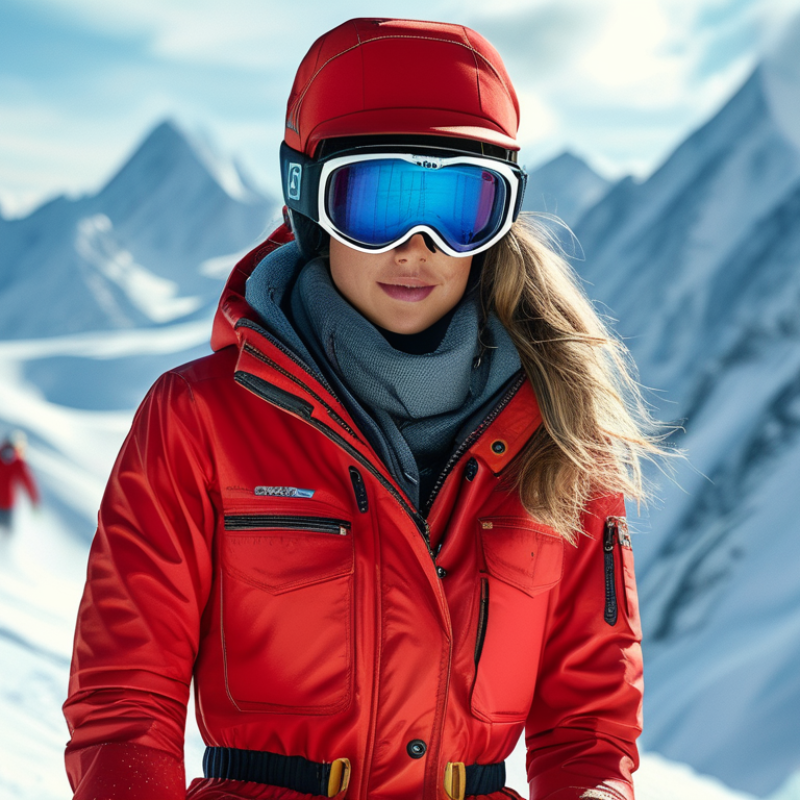
Define your skiing needs before comparing prices or technical features. A resort skier may need warmth, comfort, and easy movement. An off-piste skier needs stronger fabric, better weather protection, and more ventilation. Check your local conditions carefully. Wet coastal snow feels different from dry mountain powder. Wind exposure matters too. Measure your chest, waist, hips, and inseam while wearing one thin base layer. A jumpsuit should allow a deep squat without pulling across the shoulders. It should feel secure, not restrictive.
Tips: Write three buying priorities before shopping. Use phrases such as “warmth first” or “mobility first.” Check the fabric waterproof rating, breathability rating, seam sealing, and zipper design. Review the size chart, not only the usual size. Some charts remain unclear. Ask the seller for garment measurements when possible. Test pocket access with gloves. Small details matter on a cold lift.
Your clothing system should guide the jumpsuit choice. A lightly insulated style may work with a fleece layer in changing weather. A heavily insulated style can become uncomfortable during active skiing. Consider bathroom access, adjustable cuffs, snow gaiters, and hood compatibility. These features save time and reduce frustration. I once underestimated layering space, and the suit felt fine indoors but tight outdoors. That mistake is easy to repeat. Leave room for movement, but avoid excessive fabric that catches wind. Check return terms before ordering internationally, including measurement disputes and delivery limits.
Buying a ski jumpsuit starts with insulation, not appearance. Down offers excellent warmth for its weight, but moisture reduces its performance. Synthetic insulation dries faster and usually suits wet resort conditions. Check the fill weight, not only the advertised temperature range. Those ranges vary between users.
Fabric choice affects comfort, durability, and movement. A three-layer shell can resist wind while remaining breathable during steep climbs. Nylon often handles abrasion well, especially around seat panels and boot cuffs. Stretch fabric improves mobility, but excessive stretch may reduce long-term water resistance. Feel the fabric yourself. Online photographs can mislead.
Weather protection depends on construction details. Look for sealed seams, waterproof zippers, adjustable cuffs, and a high collar. A snow skirt helps during falls, although it may feel restrictive when walking. Check the waterproof rating and breathability rating together. A high waterproof number cannot prevent overheating. Test the hood with your helmet before ordering. Global buyers should compare metric measurements, local climate data, and return rules. European coastal snow may be wet, while inland mountain air can be sharply dry. I once underestimated sleeve length because the chart measured from the shoulder differently. That small error mattered. Leave room for a base layer, but avoid a loose torso that lets cold air enter. Expect some compromise; no jumpsuit handles every storm, temperature, and activity perfectly.
| Tip | Buying Dimension | What to Compare | Typical Technical Guide | Best Use or Weather | Practical Buyer Check |
|---|---|---|---|---|---|
| 1 | Insulation Type | Compare synthetic insulation with down or down-blend insulation. | Synthetic fibers retain more insulating ability when damp and dry faster. Down generally offers a high warmth-to-weight ratio but loses loft when wet. | Wet snow, humid climates, and frequent use: synthetic. Cold and dry conditions: down or a down blend can be suitable. | Ask for the insulation fiber, total fill weight, body mapping, and care instructions rather than relying only on a warmth label. |
| 2 | Insulation Weight | Check the insulation amount in grams per square metre (g/m²), especially for synthetic fill. | Approximately 40–80 g/m² is commonly used for lighter or highly active garments; 80–120 g/m² provides more warmth; higher weights are designed for colder, less active use. | Light insulation suits spring skiing or high-output activity. Medium to heavy insulation suits colder resort conditions. | Confirm whether the stated value applies to the whole suit or only selected panels, because insulation is often body-mapped. |
| 3 | Fabric Construction | Compare nylon and polyester face fabrics, weave density, stretch, abrasion resistance, and surface finish. | Nylon is commonly valued for strength and abrasion resistance. Polyester offers good dimensional stability and typically lower moisture absorption. Stretch-woven fabrics improve mobility. | High-contact activities and chairlift use require durable seat, knee, cuff, and lower-leg panels. | Look for reinforced panels, a dense weave, durable zippers, and fabric stretch across the hips, knees, and shoulders. |
| 4 | Waterproof Rating | Compare hydrostatic-head performance in millimetres and verify whether the result applies to the finished garment. | About 5,000–10,000 mm is suitable for light to moderate snow with good construction. Around 10,000–20,000 mm offers stronger protection for regular snow and wet conditions. Ratings above 20,000 mm provide a higher margin when construction is equally good. | For mixed weather and prolonged exposure, prioritize a waterproof membrane or coating plus sealed seams. | A fabric rating alone is not enough; check seam sealing, zipper design, hood adjustment, and water-resistant pocket construction. |
| 5 | Breathability | Compare moisture-vapour transmission, commonly reported in g/m²/24h, together with ventilation options. | Approximately 5,000–10,000 g/m²/24h is a basic-to-moderate range; 10,000–20,000 g/m²/24h is commonly positioned for more active use. Test methods vary, so figures are not always directly comparable. | High-output skiing, touring, and warmer climates need better breathability than occasional resort use. | Prioritize underarm or side-leg vents, mesh-backed openings, and a lining that does not restrict vapour movement. |
| 6 | Wind Protection | Check whether the outer fabric and membrane block wind without making the suit excessively rigid. | A tightly woven face fabric, wind-resistant membrane, adjustable hem, storm flap, and close-fitting cuffs reduce convective heat loss. | Important for exposed slopes, high wind chill, snowmobile use, and lift rides. | Test the collar, wrist gaiters, ankle gaiters, and front zipper for gaps when worn with base and mid layers. |
| 7 | Seam and Zipper Protection | Compare fully taped seams, critically taped seams, waterproof zippers, and storm flaps. | Fully taped seams provide the strongest overall seam protection. Critically taped construction protects only selected high-risk seams and may reduce cost or weight. | Fully taped construction is preferable for heavy snowfall, wet snow, and long exposure. | Inspect shoulder seams, crotch seams, seat seams, pocket openings, and the main front zipper for water-entry risks. |
| 8 | Fit and Layering | Compare regular, relaxed, and articulated fits while allowing for base layers and mid-layers. | The suit should permit full hip, knee, shoulder, and arm movement without compressing insulation or creating large openings. | Layer-friendly fits work across changing temperatures and regional clothing preferences. | Measure chest, waist, hip, inseam, sleeve, and torso length. Check sitting, crouching, and reaching positions before bulk production. |
| 9 | Climate and Activity Matching | Match insulation, shell protection, ventilation, and lining to the destination climate and activity level. | Cold, dry resort use needs more insulation. Wet coastal snow needs reliable waterproofing. Touring and vigorous activity need lighter insulation and more ventilation. | One universal specification may not perform equally well in alpine, coastal, continental, and spring conditions. | Define the target temperature range, precipitation type, wind exposure, activity intensity, and expected layering system. |
| 10 | Durability and Care | Compare abrasion resistance, repairability, wash instructions, and long-term water repellency. | Frequent washing and abrasion can reduce the effectiveness of a durable water-repellent finish. Reproofing may restore surface water beading, but it does not repair a damaged membrane or seam. | Heavy-use rental, instruction, and commercial applications need stronger fabrics and replaceable or reinforced high-wear panels. | Request care labels, laundering tests, colorfastness results, zipper-cycle testing, and abrasion-test information where available. |
Note: Waterproof and breathability figures are laboratory indicators, and test methods can differ between suppliers. Final performance also depends on seam construction, zippers, fit, layering, maintenance, and actual weather conditions.
10 Ski Jumpsuit Buying Tips for Global Buyers
A ski jumpsuit should fit closely without restricting a deep knee bend. Check chest, waist, hip, shoulder, and inseam measurements in centimeters. Do not convert US, UK, or EU sizes by label alone. ISO 8559-1 defines body-measurement methods, but apparel sizing still varies between manufacturers. A reliable size chart matters more than a familiar letter. Measure over a thin base layer, then compare the garment’s finished measurements. Leave room for movement.
Mobility is the real test. Raise both arms, squat, twist, and reach forward before buying. The crotch should not pull sharply, and sleeve cuffs must cover the wrist. A slightly loose torso is often safer than a tight one. However, excessive fabric can catch on equipment and create cold gaps. Check articulated knees, stretch panels, adjustable cuffs, and a secure hood. ASTM F2732 evaluates clothing insulation with a heated manikin, but its ratings cannot predict every skier’s comfort. Wind, speed, humidity, and personal activity level change the result.
Layering deserves equal attention. A base layer should move sweat away, while the jumpsuit blocks wind and light moisture. Test the suit over your planned mid-layer, not a thin shirt. ISO 11092 measures thermal and evaporative resistance, useful benchmarks for fabric comparison. The 2024 Outdoor Industry Association Participation Trends Report recorded 175.8 million U.S. outdoor participants in 2023, showing how many users need adaptable clothing. Still, data cannot replace a fitting-room squat. That small test may expose a major mistake.
For global buyers, evaluate warmth, weather protection, mobility, and safety together. A ski jumpsuit should have sealed seams, a waterproof outer shell, and insulation suited to local temperatures. Check laboratory water-resistance and breathability ratings, not vague claims. A practical test helps: squat, reach forward, and lift your arms. The fabric should not pull across your shoulders. Small details matter. Adjustable cuffs should cover gloves, while ankle guards should resist sharp ski edges. A two-way zipper also helps during restroom breaks.
Safety requires more than thick padding. Look for a compatible helmet, reflective panels, secure pockets, and a hood that does not block peripheral vision. A peer-reviewed meta-analysis in the Journal of Trauma and Acute Care Surgery reported that helmets reduced head-injury risk by about 35%. This statistic does not make falls harmless. It does support careful equipment selection. Buyers should also check applicable standards, such as EN 342 for cold-protective clothing and EN 1077 for ski helmets. Standards are useful, but fit still decides performance.
Maintenance affects protection over time. Follow the care label, close all zippers, and avoid ordinary fabric softener, which can damage water-repellent finishes. Air-dry the suit fully before storage. Inspect cuffs, seams, and zipper teeth after every trip. I have found that many “waterproof” suits fail first at worn seams, not the main fabric. That assumption deserves checking. Keep repair records for professional buyers, especially when ordering mixed sizes or regional versions. Seasonal inspections can reveal hidden damage before a cold, wet day does.
Suggested checklist weighting for evaluating ski jumpsuits, based on practical importance for safety, weather protection, comfort, and long-term care.
Prioritize waterproofing, insulation, fit, visibility, and protective construction before appearance. Also check washing instructions, drying requirements, seam durability, and compatibility with base layers and safety equipment.
Global prices can mislead ski jumpsuit buyers. Compare the full landed cost, not only the listed price. Include currency conversion, local taxes, import duties, and possible brokerage fees. A cheaper suit may cost more after delivery. Check whether the seller quotes DDP or DAP shipping. The difference can affect your final bill.
Certification details deserve careful review. Ask for test reports, material composition, and the relevant safety standards for your market. Waterproof ratings, seam testing, insulation data, and chemical compliance should be clearly documented. A generic “certified” label is not enough. CE marking does not automatically prove every clothing claim. Request dated documents from an independent laboratory when possible. Paperwork can be incomplete.
Shipping conditions also need practical checking. Confirm size charts, packed dimensions, tracking, delivery estimates, and damage procedures. Measure your body while wearing a thin base layer. This avoids the common mistake of choosing a suit that feels tight when bending. Returns should state the allowed period, unworn requirements, tag condition, return address, and refund timing. Check who pays return shipping. Some policies exclude discounted items or international postage. Read the small print twice. Even careful buyers miss it. A realistic concern is fit: one measurement chart cannot reflect every body shape, so keep a small adjustment margin.
: Write three priorities before shopping, such as warmth, mobility, or weather protection. Conditions matter. Wet coastal snow needs different protection than dry mountain powder.
Measure your chest, waist, hips, and inseam over one thin base layer. Check the seller’s size chart carefully. The jumpsuit should allow a deep squat without shoulder tension.
Leave enough room for a fleece or thin mid-layer. Avoid excessive fabric that catches wind. I once underestimated layering space, and the suit became tight outdoors.
Look for adjustable cuffs, snow gaiters, accessible pockets, and a two-way zipper. Test pocket access while wearing gloves. Small details matter.
Review waterproof ratings, breathability ratings, seam sealing, and zipper construction. Avoid relying on vague waterproof claims. Worn seams may fail before the main fabric.
Squat, reach forward, and raise both arms. The fabric should not pull across your shoulders or hips. Movement reveals problems quickly.
Choose a helmet-compatible hood, reflective panels, secure pockets, and clear peripheral vision. A helmet can reduce head-injury risk, but it cannot prevent every injury. Fit still matters.
Follow the care label and close every zipper before washing. Avoid ordinary fabric softener because it may damage water-repellent finishes. Air-dry the suit fully before storage.
Review return terms, measurement disputes, delivery limits, and regional sizing differences. Ask for garment measurements when the size chart seems unclear. Mistakes happen.
Buying the right Ski jumpsuit starts with understanding your skiing goals, local climate, activity level, and personal priorities. Consider whether you need maximum warmth for extended time outdoors or a lighter design for active resort skiing. Compare insulation types, fabric durability, breathability, waterproofing, wind resistance, and seam protection. A well-designed jumpsuit should keep you comfortable in changing weather while allowing natural movement.
Fit is equally important, so check size charts carefully and account for base layers and mid-layers. Review mobility, adjustable elements, ventilation, pockets, snow protection, reflective details, and other safety features. Maintenance requirements, washing instructions, and drying methods can affect long-term value. For international purchases, compare total costs, currency differences, certifications, delivery times, import considerations, and return conditions. A careful evaluation of quality, functionality, sizing, and after-sales policies will help global buyers choose a reliable Ski jumpsuit with confidence.

Yuelei