Raincoats are essential garments for anyone facing unpredictable weather. The National Weather Service reported that nearly 14% of all precipitation is from rain. Thus, having a reliable raincoat is crucial.
Choosing the right raincoat can feel overwhelming. With various materials and styles available, expert insights can guide consumers. A 2022 survey showed that 68% of people prioritize waterproof capabilities when purchasing outerwear. Interestingly, only 45% know the difference between waterproof and water-resistant materials.
Quality raincoats provide not just functionality but also comfort. Many modern options feature breathable fabrics which help regulate temperature. However, consumers often overlook the importance of fit. An ill-fitting raincoat can defeat the purpose of staying dry. Investing in a good raincoat is essential for dealing with today's erratic weather patterns.
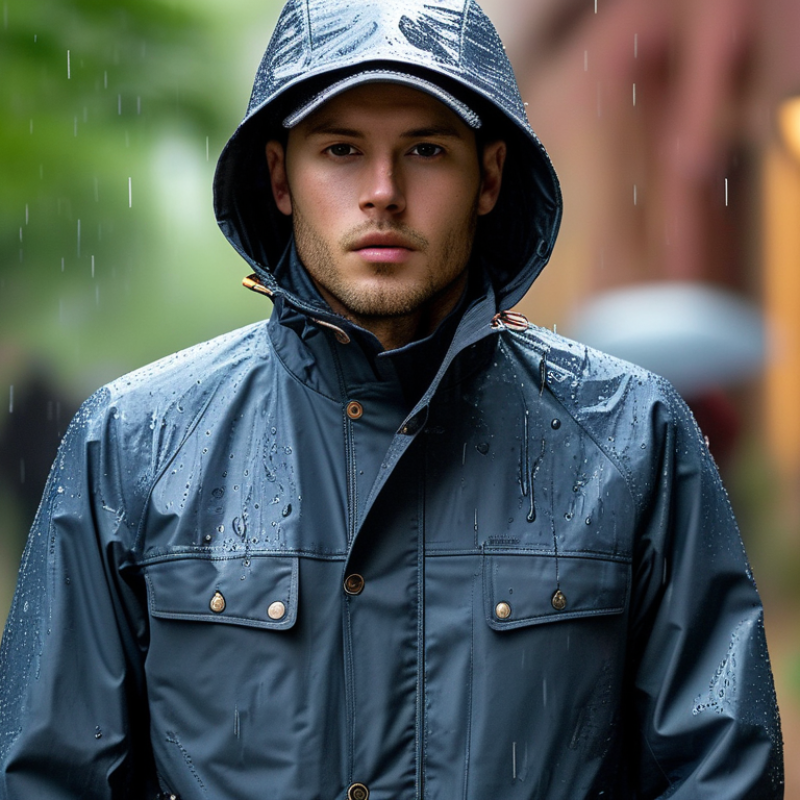
A raincoat is a protective garment designed to keep you dry during wet weather. Typically made from waterproof or water-resistant materials, raincoats serve an essential function. According to a report by Market Research Future, the global rainwear market is projected to grow by 8% from 2021 to 2027. This reflects an increasing need for reliable protection against the elements.
Functionality is crucial when it comes to choosing a raincoat. Many designs include features like adjustable hoods, sealed seams, and breathable fabrics. These elements enhance comfort while ensuring that you remain dry. The Consumer Product Safety Commission emphasizes the importance of wearing appropriate clothing in adverse weather conditions, as inadequate gear can lead to health risks such as hypothermia.
Despite the advanced technology in fabric creation, not all raincoats perform well in every scenario. Some may lack proper ventilation, leading to discomfort. It is essential to consider various factors before purchasing. A well-informed decision based on research can be the difference between staying dry or soggy on a rainy day.
Raincoats have a fascinating history, evolving from simple protective garments to stylish necessities. Originally, they were made from natural materials, like wool or oilskin. These fabrics provided some resistance to water but had their limitations. As innovations took place, manufacturers began exploring more advanced materials. This led to the creation of rubberized fabrics in the 19th century, which significantly improved waterproofing.
The introduction of synthetic materials revolutionized raincoat design. Nylon and polyester brought durability and flexibility. Modern raincoats often have breathable membranes, making them comfortable. Yet, some may question the environmental impact of these synthetic fabrics. It’s essential to consider sustainability when choosing a raincoat. While they keep you dry, what about the earth?
Over time, raincoat styles have diversified. Functionality now meets fashion, appealing to various tastes. However, with this variety can come confusion. Are you selecting the right one for your needs? A balance between utility and aesthetics is crucial. When selecting a raincoat, reflect on your personal style, weather conditions, and purpose.
| Period | Material Used | Design Features | Purpose | Notable Innovations |
|---|---|---|---|---|
| Ancient Times | Animal Skins | Draped, Loose Fit | Protection from Rain | Use of natural waterproofing |
| Middle Ages | Leather | Long Coats with Hoods | Shield from Weather | Fashion Influence |
| 19th Century | Rubberized Fabric | Tailored Fits | Functional Wear | Invention of the Macintosh |
| 20th Century | Polyester and Nylon | Compact, Lightweight | Everyday Use | Introduction of Breathable Fabrics |
| 21st Century | Eco-friendly Materials | Stylish, Functional Designs | Sustainability Focus | Innovations in Waterproof Technologies |
When choosing a raincoat, several key features can enhance your experience. Waterproofing is the most critical aspect. Look for coats with a minimum waterproof rating of 1,500 mm. This number indicates how well the fabric can withstand rain. Many experts suggest that a breathability rating of 3,000 g/m² is also vital. This rating ensures you stay dry from both external rain and internal moisture from sweating.
Another important feature is the fit. A well-fitting raincoat should allow for layers without being too bulky. An industry study revealed that 75% of people prefer coats with adjustable hoods and cuffs. These features provide a better seal against the elements. Additionally, pockets can make a significant difference. Waterproof zippers are ideal for keeping essentials secure and dry.
Color and visibility may seem secondary but are worth considering. Opt for brighter colors or reflective elements. Research shows that high-visibility clothing can reduce accidents in poor weather conditions. While aesthetic preferences vary, practical aspects should not be overlooked. Reflecting on your typical weather conditions and activities will guide your selection process effectively. The right raincoat should not only protect against rain but also suit your lifestyle.
Raincoat production has significant environmental impacts. Traditional manufacturing processes often result in high carbon emissions. In 2020, the textile industry contributed approximately 1.2 billion tons of CO2 globally. This figure is alarming and reflects the urgency for more sustainable methods.
Materials used in raincoats, such as PVC, are not easily biodegradable. A study from the Environmental Protection Agency found that only 10% of plastics are recycled. This poses a serious threat to ecosystems. Raincoats can take decades to decompose, contributing to landfill overflow. Sustainable alternatives, like recycled fabrics, are gaining traction. Reports indicate that using recycled materials can reduce carbon footprints by nearly 75%.
Improving the production process is also critical. Brands can adopt eco-friendly dyes and water-saving techniques. For instance, it’s estimated that conventional dyeing uses up to 200 tons of water per ton of fabric. Transitioning to greener technologies is necessary to lessen water pollution. The industry needs a collective effort towards sustainability. We must rethink our choices and advocate for more eco-conscious designs.
A raincoat is an essential garment designed to keep you dry during unexpected downpours. It serves not only as a protective layer but also as a fashion statement. The lightweight material often used in raincoats allows for comfort in various weather conditions. When it rains, a raincoat keeps your clothes dry, which is crucial for staying warm and preventing chills. It's practical for those who commute by foot or bike. A sudden shower can ruin your day if you're unprepared.
Beyond keeping you dry, raincoats offer a degree of visibility. Many styles come with reflective elements. These features are vital for safety, especially in urban areas. Not all raincoats are equal; some might lack breathability. This can lead to discomfort during prolonged wear. Choosing a coat with adequate ventilation can make a significant difference. Raincoats also come in varying lengths. A longer coat can protect your legs, while a shorter style offers greater mobility.
Wearing a raincoat is not just about protection; it also involves making smart choices. It reduces the need for frequent laundry, which can save time and energy. However, picking the right raincoat requires consideration of style and functionality. A heavy coat might keep you dry but can be cumbersome. Finding balance is important. When you wear the right raincoat, you're prepared for whatever the weather throws your way.
This chart illustrates the number of raincoat users by different activities, highlighting the practical benefits of owning a raincoat in various scenarios such as walking, cycling, traveling, hiking, and everyday use. With increasing weather variability, having a raincoat has become essential for outdoor activities.
: Early raincoats were made from natural materials like wool and oilskin.
The introduction of rubberized fabrics in the 19th century greatly improved waterproofing.
Modern raincoats often use nylon and polyester for durability and flexibility.
Waterproofing is the most critical feature. A rating of at least 1,500 mm is ideal.
A breathability rating of 3,000 g/m² helps manage internal moisture from sweating.
A good fit allows for layering without being too bulky, providing comfort.
Yes, brighter colors and reflective elements enhance visibility and safety in poor weather.
They keep clothes dry, which helps prevent chills during unexpected downpours.
Longer coats protect legs, while shorter styles offer better mobility and comfort.
Choosing the right raincoat involves protecting against rain while matching your personal style.
A raincoat is a waterproof or water-resistant outer garment designed to protect the wearer from rain and wet weather. Over the years, raincoats have evolved significantly in terms of materials and design, transitioning from traditional oils and waxes to modern synthetic fabrics that enhance durability and comfort. When purchasing a raincoat, essential features to consider include waterproofing, breathability, weight, and fit, ensuring that it meets the practical needs of the wearer.
In today's context, raincoats offer numerous benefits beyond mere protection from rain. They contribute to sustainability by incorporating eco-friendly materials and production practices, reducing environmental impact. Additionally, raincoats are versatile, suitable for various activities such as commuting, hiking, or casual outings. Therefore, investing in a quality raincoat is not just a practical choice but a responsible one that aligns with contemporary environmental considerations.

Yuelei