Choosing the best hunting waders in 2026 requires more than comparing prices, colors, and brand names. Your decision affects comfort, mobility, warmth, and safety during long hours in wetlands, rivers, and flooded timber. A quality pair should match your hunting environment, body shape, expected water depth, and seasonal temperature. Breathable fabric may feel comfortable during an active morning, while insulated neoprene can offer better warmth during freezing weather. Neither option works perfectly everywhere.
Brad Fenson, a veteran waterfowler and outdoor writer, offers a practical reminder: “Good waders keep you dry, but judgment keeps you safe.” That principle should guide every purchase. Check seam construction, boot insulation, gravel guards, suspenders, pocket design, and repair support. Small details matter. A stiff boot can create painful miles. Poor suspenders can turn a simple walk into an exhausting one. A misplaced pocket may become useless when you wear gloves.
This guide examines current hunting waders through real-world conditions, not showroom appearance. It considers durability, waterproof performance, fit, breathability, warmth, and value. Personal experience still matters. A wader that fits one hunter perfectly may restrict another’s stride. Some recommendations may also deserve reconsideration after repeated field use. Marketing claims are not always practical truth. Before buying, measure carefully, study the warranty, and imagine crossing icy water with wet brush pressing against your legs. That picture often reveals more than a product label.
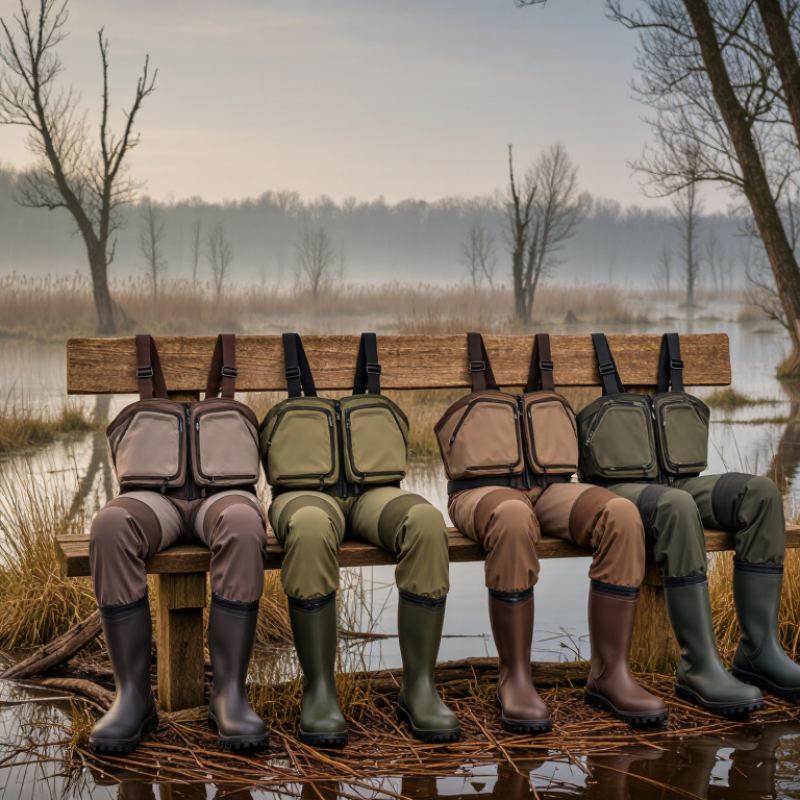
Neoprene waders suit cold water, late-season marshes, and slow-moving hunts. Their thick material holds warmth but can feel heavy during long walks. Choose thicker neoprene for freezing conditions. Use lighter neoprene when movement matters more. Breathable waders work better in changing temperatures and active terrain. They release internal moisture while allowing room for insulating layers. In warm weather, they are often more comfortable than insulated designs. Chest waders protect you through deeper water and wet grass. Hip waders fit shallow streams and short crossings. Bootfoot models save time, while stockingfoot models offer better boot flexibility.
The best type depends on water depth, temperature, and walking distance. A rugged coated-fabric wader handles thorny brush and muddy banks well. However, it may trap heat and restrict movement. Check the seams, suspenders, knees, and belt area before buying. These parts receive repeated stress during crouching and climbing. Your waders should bend easily at the knees without pulling across the seat. Measure with the clothing you will actually wear. A perfect summer fit may fail over winter layers.
I once underestimated how quickly wet socks could ruin a long morning. Small details matter. Test the waders by taking several deep steps and squats. Look for pressure points around the shoulders and ankles. Keep a repair patch in your field kit, even with new gear. No fabric stays invulnerable around sharp reeds. Inspect the material after every outing, especially near boot seams and gravel-covered banks. Proper care often extends useful life more than a higher purchase price.
Material choice controls comfort before the weather does. Three-layer laminates usually balance waterproofing, durability, and vapor release better than thin two-layer fabrics. Neoprene retains warmth in cold water, but it can feel heavy during long walks. A practical field test is simple: crouch, kneel, and lift your legs before buying. Tight knees often become painful after several hours.
Check hydrostatic pressure, not only the word waterproof. EN 343:2019 classifies the highest water-penetration level above 20,000 pascals. Its breathability scale uses RET values; lower is better.
RET below 6 indicates the strongest moisture-vapor performance, while values above 20 indicate limited breathability.
These figures come from controlled laboratory testing, not muddy riverbanks. Seam taping, zipper protection, and reinforced seat panels still decide real performance. I once trusted a high waterproof rating and ignored the seams. That was a costly mistake.
Breathability matters most during uphill approaches and warm autumn hunts. Choose adjustable suspenders, a venting system, and enough room for a base layer. ISO 11092 testing measures fabric resistance to evaporative heat loss, but sweat can still collect inside during hard movement.
Pause briefly. Dry the inner lining after every use, even when it looks clean.
Field conditions are less perfect than product charts. The best choice matches water depth, walking distance, temperature, and your tolerance for dampness.
Choosing the right hunting wader size starts with accurate measurements. Wear the base layers you normally hunt in. Measure your chest, waist, hips, inseam, and foot length. Do not measure over bulky outer clothing.
Use the sizing chart carefully. Charts vary between manufacturers, even when labels look identical. Your largest measurement usually deserves priority. A tight chest restricts breathing and layering. A short inseam pulls the crotch seam during each step. Extra room is useful, but excessive fabric can catch on brush or create uncomfortable folds. Fit matters most.
Try the waders indoors before removing tags. Bend your knees, squat, sit, and raise each leg. The fabric should move without strong tension around the seat or shoulders. Walk up stairs if possible. Check that the suspenders adjust smoothly and stay flat. Your boots should feel secure, with enough space for warm socks but no heel lift. Cold feet often result from poor fit, not thin insulation.
I once chose a larger size for winter layers and regretted it. The loose material snagged more often than expected. That mistake changed how I judge fit. Comfort should support quiet movement, not replace control. Check the seams, cuffs, and boot connection closely. A well-fitted pair should feel unremarkable after several minutes. That is a good sign.
Choosing the Best Hunting Waders in 2026
Insulation should match your water temperature and activity level. Thick insulation feels comfortable during a quiet morning, but it can become exhausting while walking. In cold, shallow water, layered clothing often offers better control than heavily insulated waders. I prefer adjustable layers because my comfort changes after climbing a muddy bank. Breathable fabric also helps release sweat during long approaches. A damp inner layer can chill you faster than expected.
Durability depends on construction, not just fabric thickness. Check the knees, seat, seams, and boot connection carefully. These areas face repeated pressure from crouching, sitting, and stepping over branches. Reinforced knees are useful, but stiff panels may restrict movement. I once chose extremely rugged waders and regretted it after several hours of walking. They survived sharp brush, yet my hips felt tired. That experience changed how I judge protection.
Mobility deserves equal attention. Lift each knee, squat, and rotate your ankles before buying. The material should move without pulling across your back. Proper sizing matters more than extra insulation. A loose upper section can snag, while tight legs reduce balance on slippery stones. Look for secure suspenders and a flexible waist adjustment. Test the waders with your usual base layers and footwear. Small details matter. Even experienced users can overvalue toughness and overlook comfort. A careful fit test reveals that mistake early.
Comparison of common hunting-wader constructions. Ratings are practical relative guides; actual performance depends on fit, seam construction, footwear, terrain, and maintenance.
| Wader Type | Typical Construction | Insulation | Mobility | Durability | Typical Weight Profile | Best Conditions | Main Trade-Off |
|---|---|---|---|---|---|---|---|
| Lightweight Breathable | Two- or three-layer waterproof-breathable fabric with taped or welded seams. | ★☆☆☆☆ Little built-in warmth; relies on base and mid-layers. |
★★★★★ Soft fabric and low bulk provide the greatest freedom of movement. |
★★★☆☆ Good for normal use, but thinner face fabrics need care around thorns and sharp rocks. |
Lightest common option; exact weight varies with size, boots, and fabric denier. | Mild weather, long walks, warm-season hunting, and active river crossings. | Requires careful layering in cold water and may be less abrasion-resistant than heavier designs. |
| Insulated Breathable | Waterproof-breathable outer shell combined with a built-in synthetic insulation layer or quilted lining. | ★★★★☆ Provides more warmth than uninsulated breathable fabric. |
★★★★☆ Flexible, although insulation adds bulk compared with lightweight shells. |
★★★☆☆ Usually dependable, but lining and insulation can increase drying time after immersion. |
Medium to moderately heavy, depending on insulation thickness and boot design. | Cold-season hunting when breathability and moderate warmth are both important. | Less versatile across seasons and generally slower to dry than uninsulated models. |
| 3.5 mm Neoprene | Closed-cell neoprene body, commonly paired with reinforced knees, seat, and integrated rubber boots. | ★★★★☆ Closed-cell foam reduces heat loss in cold water. |
★★★☆☆ Flexible enough for normal movement but noticeably thicker than breathable fabric. |
★★★★☆ Strong resistance to punctures and abrasion when reinforced in high-wear areas. |
Heavy and bulky compared with lightweight breathable designs. | Cold marshes, shallow water, stationary hunting, and moderate walking in cool conditions. | Warmer but less breathable; can feel hot during long walks or above-freezing conditions. |
| 5 mm Neoprene | Thick closed-cell neoprene with reinforced stress points and insulated waterproof boots. | ★★★★★ Highest warmth among the common construction types listed. |
★★☆☆☆ Thicker material restricts stride and increases fatigue during extended travel. |
★★★★★ Very robust for cold-water use, although seams and attached boots still require inspection. |
Heaviest and bulkiest option; weight increases further with insulated boots. | Very cold water, late-season use, ice-edge conditions, and slow-paced hunting. | Maximum warmth comes with reduced breathability, mobility, packability, and all-day comfort. |
| Uninsulated Durable Shell | Heavy-denier nylon or polyester laminate, often with reinforced lower legs, knees, and seat. | ★☆☆☆☆ Minimal built-in insulation; layering determines warmth. |
★★★☆☆ More structured and protective than lightweight shells, but less supple. |
★★★★★ Designed for frequent contact with brush, gravel, and rough banks. |
Medium to heavy, depending on fabric density and reinforcement coverage. | Rugged terrain, repeated use, and hunters who prioritize abrasion resistance. | Needs an appropriate clothing system for cold conditions and may feel stiff when wet or cold. |
| Stockingfoot Waders | Wader body ends in integrated neoprene socks; separate wading boots provide the sole and ankle support. | ★★★☆☆ Warmth depends on the sock thickness and the chosen footwear. |
★★★★☆ Separate boots allow better fit, sole choice, and ankle support. |
★★★☆☆ Flexible system, but the neoprene sock needs protection from sharp ground and improper boot fit. |
Body is often lighter and more packable than comparable bootfoot designs. | Mixed terrain, frequent hiking, and situations requiring interchangeable traction options. | Requires purchasing and maintaining compatible wading boots; poor fit can damage the sock. |
| Bootfoot Waders | Wader body is permanently attached to waterproof boots, often with molded or lugged outsoles. | ★★★★☆ Boot insulation and wader material can provide substantial warmth. |
★★★☆☆ Simple to put on, but fixed boots can be heavier and less adjustable. |
★★★★☆ Fewer boot-to-sock connection issues, though the integrated boot cannot be replaced separately. |
Usually heavier than stockingfoot systems, especially with insulated boots. | Cold-weather hunting, muddy access points, and users who value quick setup. | Less customizable fit and traction; damaged boots may require replacing the entire wader system. |
How to Choose the Best Hunting Waders in 2026?
Safety should guide your wader choice before insulation or camouflage. The U.S. Coast Guard reported 556 recreational boating deaths in 2023, with drowning causing most fatalities. Waders can create similar risks when water enters suddenly. Choose a secure belt, adjustable suspenders, and a close but flexible fit. Keep chest pockets light. Heavy gear can pull you forward. Cold water is unforgiving. The National Weather Service warns that cold shock can quickly damage breathing control, even before hypothermia develops. I once underestimated shallow current strength. That mistake changed how I test every crossing.
Maintenance protects both safety and budget. Rinse waders with clean water after each outing, especially after saltwater exposure. Dry them fully, inside out, away from direct heat. Inspect seams, gravel guards, and boot joints under bright light. A small leak becomes expensive when ignored. ASTM F3248 provides a useful reference for wader construction and performance, but certification cannot replace careful inspection. This is where many buyers, including me, get complacent.
Budget decisions should reflect actual use. The U.S. Fish and Wildlife Service reported $45.2 billion in hunting-related spending in its 2022 National Survey. Still, spending more does not guarantee better value. Occasional hunters may prioritize repairable materials and reliable fit. Frequent users should consider reinforced zones, replaceable components, and documented warranty support. Reserve money for seam sealant, drying equipment, and a backup plan. A cheap pair can cost more after one failed season.
In 2026, safety should receive the greatest consideration when selecting hunting waders. Waterproof integrity, seam durability, and ease of maintenance directly affect reliability in cold and wet conditions, while budget helps determine the best balance between initial cost and long-term use. This percentage model is a practical decision framework rather than brand-specific performance data.
Three-layer fabrics usually balance waterproofing, durability, and breathability well. Neoprene provides warmth in cold water but feels heavy during long walks. Choose based on temperature and walking distance. Cold water wins.
Crouch, kneel, and lift each leg before deciding. The knees should flex without pulling tightly. Leave room for a base layer, but avoid loose fabric. Fit problems grow over time.
Check water-pressure ratings instead of trusting the word “waterproof.” Look closely at taped seams, protected zippers, and reinforced seat panels. A strong fabric can still leak through weak seams. I learned this expensively.
Breathability helps release sweat during uphill walking and warm weather. Lower resistance values usually indicate better vapor movement. Laboratory figures cannot predict every muddy riverbank. Sweat may still collect inside.
Adjustable suspenders help control shoulder pressure and overall fit. A venting system can reduce heat buildup. Choose enough space for clothing layers without creating bulky folds. Pause during hard climbs.
Use a secure belt and adjustable suspenders with a close, flexible fit. Keep chest pockets light because heavy equipment can pull you forward. Avoid deep or fast water when conditions feel uncertain. Never trust shallow water completely.
Rinse them with clean water, especially after contact with saltwater. Dry them fully, inside out, and away from direct heat. Inspect seams, gravel guards, and boot joints under bright light. Check them twice.
Match the cost to your actual use and walking conditions. Frequent users may benefit from reinforced zones and replaceable components. Occasional users should prioritize reliable fit and repairable materials. High price is not proof.
Reserve money for seam sealant, drying equipment, and a backup plan. Small leaks can become expensive when ignored. Carry only essential items near your chest. I still sometimes underestimate repairs.
Choosing the best hunting waders in 2026 starts with understanding the main types and their intended uses. Neoprene waders provide warmth for cold-weather hunts, while breathable fabric waders are better for active movement and changing temperatures. Chest, waist, and hip styles each offer different levels of coverage, so consider water depth and terrain before making a choice. Pay close attention to waterproof construction, sealed seams, ventilation, and material strength. A proper fit should allow comfortable layering without restricting walking, bending, or climbing.
When comparing hunting waders, balance insulation, durability, and mobility according to your typical conditions. Reinforced areas can improve long-term performance, while flexible designs reduce fatigue during extended use. Safety features such as secure footing, adjustable straps, and easy removal are also important. Regular cleaning, complete drying, and careful storage can extend service life. Finally, set a realistic budget and focus on reliable construction and useful features rather than unnecessary extras, ensuring your waders provide comfort, protection, and value throughout the season.

Yuelei