How to Choose the Best Dry Suit for Kayaking?

Time:2026-07-25 Author:Charlotte
0%

Selecting the right dry suit kayak is essential for safety and comfort during your paddling adventures. A report by the American Canoe Association reveals that nearly 70% of kayaking accidents occur in cold water conditions. Wearing a proper dry suit can significantly reduce hypothermia risk, enhancing your overall kayaking experience. However, not all dry suits are created equal, and making the right choice involves understanding your specific needs.

Each season brings unique challenges. For instance, winter kayaking demands better insulation and waterproofing than summer excursions. According to a study by the Kayak Safety Institute, 40% of kayakers reported discomfort due to inadequate gear. The ideal dry suit kayak should provide a snug fit, breathable material, and the right insulation to match the conditions. Moreover, many avid kayakers reflect on their early experiences with poorly fitting suits, which often led to regrets and safety concerns.

When looking for a dry suit, consider trial and feedback from seasoned paddlers. Each paddler's requirements differ based on skill level and environment. With so many products on the market, personal experiences shared in community forums can guide you towards a better decision. Choosing wisely today will shape your future kayaking adventures.
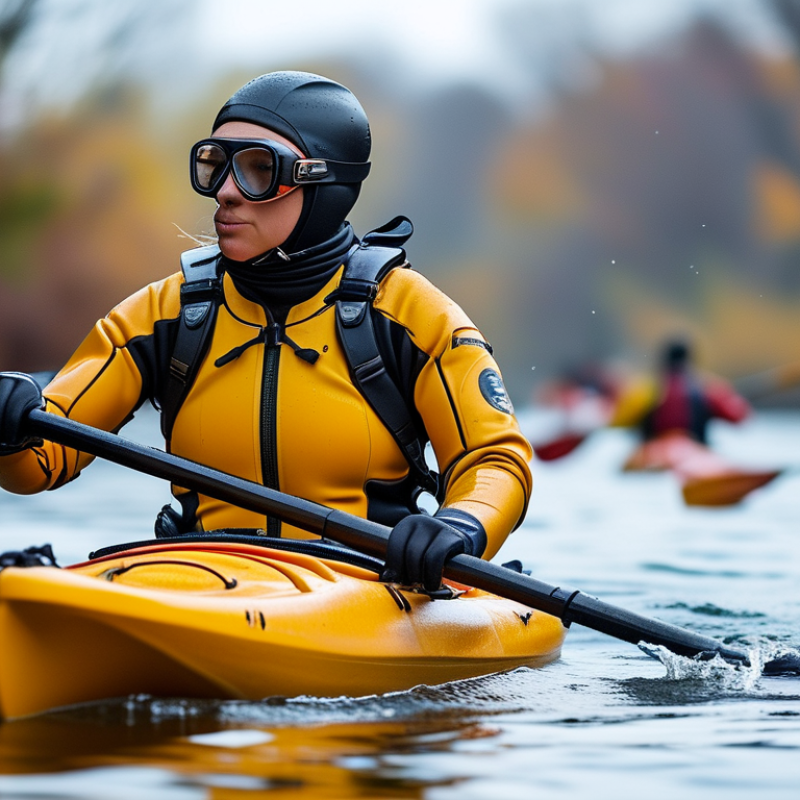
How to Choose the Best Dry Suit for Kayaking?

Understanding the Basics of Dry Suits for Kayaking

When choosing a dry suit for kayaking, understanding its basics is essential. Dry suits keep you dry in cold water. They are usually made from waterproof fabrics. These suits have seals at the neck and wrists. This design prevents water from entering. Proper fit is crucial. If it's too loose, water can seep in. A tight suit may restrict movement.

Tips: Always consider the water temperature. A dry suit is ideal for colder climates. Make sure to try different sizes. Not all suits fit the same. Check the material. Breathable fabrics enhance comfort during long trips.

Learning about dry suits is vital for safety. It's not just about comfort; it's about protection. Pay attention to the zippers and seals. They can break or wear over time. Regular maintenance is necessary. Choosing the right suit might feel overwhelming. Be patient and do your research. Balance comfort and functionality for the best experience on the water.

Identifying Key Features and Materials in Dry Suits

Choosing the right dry suit for kayaking requires attention to key features and materials. A dry suit serves as protection against cold water. According to a report by the American Canoe Association, over 60% of kayaking incidents occur during cooler months. This highlights the importance of a suitable dry suit.

When evaluating materials, look for waterproof fabrics like Gore-Tex or eVent. These materials allow sweat to escape while keeping water out. A study published by Outdoor Industry Association underscores the performance of breathable fabrics. They enhance comfort during long paddles. Reinforced seams and durable zippers are also crucial. Poor quality can lead to leaks, risking your safety on the water.

Fit is another critical factor. A suit that is too loose can lead to cold water entering. Conversely, an overly tight suit may restrict movement. Consider trying on different sizes to get a feel for flexibility and comfort. Also, evaluate features like adjustable cuffs and hoods. These can enhance water resistance. When selecting a dry suit, prioritize features and materials that ensure reliability and comfort for your kayaking adventures.

Evaluating Fit and Comfort for Enhanced Performance

Selecting the right dry suit for kayaking is vital for comfort and performance. A well-fitting suit keeps you warm and dry, enhancing your enjoyment on the water. Assessing fit and comfort should be your priority. The suit should allow for a full range of movement. It shouldn’t be too tight or too loose.


Here are some tips. Measure your body accurately before shopping. Focus on key areas like the chest, waist, and inseam. Try the suit on while wearing layers similar to what you would use while kayaking. This will ensure the right fit during actual use. Also, pay attention to the neck and wrist seals. They should fit snugly without causing discomfort.


Don’t hesitate to adjust the fit if needed. It’s okay to choose a suit that may require minor modifications for optimal comfort. Keep in mind that sometimes, a suit might feel perfect in the store but uncomfortable after prolonged wear. It’s essential to consider long-term comfort and performance over initial impressions. Take the time to evaluate your options thoroughly.

Comparing Price Points and Brand Reputation

When choosing a dry suit for kayaking, brand reputation can play a crucial role in your decision. Renowned brands often focus on quality and durability. They have a proven track record, providing reliable products for enthusiasts. Lesser-known brands might offer lower prices but could compromise on materials or craftsmanship. Evaluate user reviews and testimonials. Look for consistent feedback on comfort and performance.

Tips for choosing wisely include researching materials and features that suit your kayaking style. Breathability, waterproofing, and insulation are key factors. A well-constructed suit should offer flexibility and protection. Pay attention to sizing—an ill-fitting suit can ruin your experience.

Don't just rely on price. Higher price points may guarantee advanced technologies. However, some mid-range options deliver great value. Consider your frequency of use and budget. You may need to invest more if you kayak regularly in extreme conditions. Remember, each kayaking adventure is unique; choose equipment that meets your specific needs while ensuring safety and comfort.

Maintenance Tips for Longevity of Your Dry Suit

Maintaining your dry suit is crucial for its longevity and performance in kayaking. Regular care not only extends the life of the suit, but also enhances your overall experience on the water.

One effective tip is to rinse your suit immediately after each use. Saltwater and dirt can degrade the material. A mild solution of soap and water can help remove any stubborn grime. Make sure to wash all zippers and seals thoroughly. Dry it in a shaded area, away from direct sunlight, to prevent the fabric from breaking down.

It's also essential to inspect the suit regularly. Look for any signs of wear or damage, especially in high-stress areas. Small tears can turn into bigger problems if left unaddressed. If you notice any issues, repair them promptly. Understanding your suit’s material will help you know how to deal with different types of damage. Each care step matters.

How to Choose the Best Dry Suit for Kayaking? - Maintenance Tips for Longevity of Your Dry Suit

Feature Importance Maintenance Tips
Material Enhances durability and insulation Rinse after each use and avoid sharp objects
Seam Construction Prevents leaks Check seams regularly for wear
Fit Ensures comfort and effective insulation Trial fitting is essential; adjust as necessary
Zippers and Seals Secure entry points against water Lubricate zippers; replace seals if damaged
Temperature Rating Ensures warmth in cold water Choose appropriate insulation layers
Storage Prevents damage and extends life Store in a cool, dry place away from direct sunlight

FAQS

: Why is a dry suit important for kayaking?

: A dry suit protects against cold water during kayaking, especially in cooler months.

What materials should I look for in a dry suit?

Look for waterproof fabrics like Gore-Tex or eVent, which keep water out and allow sweat to escape.

How can I ensure my dry suit fits properly?

Measure key areas of your body and try the suit on with typical kayaking layers for the best fit.

What features enhance the comfort of a dry suit?

Features like adjustable cuffs and hoods improve water resistance and comfort during kayaking.

How should I maintain my dry suit?

Rinse your suit after each use and wash it with mild soap to prevent degradation from saltwater and dirt.

What should I inspect on my dry suit regularly?

Check for signs of wear, especially in high-stress areas. Small tears can lead to bigger issues if ignored.

Can a dry suit feel different after extended use?

Yes, what feels comfortable in the store might become uncomfortable after prolonged wear, so test it thoroughly.

Why is long-term comfort important in a dry suit?

Long-term comfort matters more than initial impressions, especially for enjoyable and safe kayaking experiences.

Conclusion

When selecting the best dry suit kayak, it's essential to understand the fundamentals of dry suits and their functionality in aquatic environments. Key features like waterproof materials, breathability, and insulation play a crucial role in ensuring comfort and protection during kayaking adventures. Evaluating the fit is equally important, as a well-fitted dry suit enhances performance and prevents water entry.

Additionally, consider the price points of various options and the reputation of brands in the market. Investing in a quality dry suit can make a significant difference in your kayaking experience. Lastly, maintaining your dry suit with proper care will ensure its longevity, allowing you to enjoy many memorable kayaking trips on the water.


Charlotte

Charlotte

Charlotte is a seasoned marketing professional with a deep understanding of the company's portfolio and a passion for elevating its presence in the market. With a keen eye for detail and a commitment to excellence, she ensures that our professional blog is regularly updated with insightful articles......