Choosing the right waterproof jacket is crucial for outdoor enthusiasts. According to a report by the Outdoor Industry Association, 70% of consumers prioritize waterproof features when purchasing outerwear. This statistic highlights the jacket's importance in varying weather conditions.
A high-quality waterproof jacket should not only keep you dry, but also provide breathability. The best options allow sweat to escape while blocking rain. However, terms like "waterproof" can be misleading. Many jackets only withstand light rain, and users often face challenges in extreme conditions.
Experts suggest looking for jackets with a waterproof rating of 10,000 mm or higher for reliable performance. Consider factors like weight, packability, and durability as well. A jacket that suits one adventure may fail another. Finding the best waterproof jacket requires careful evaluation of your specific needs and activities.
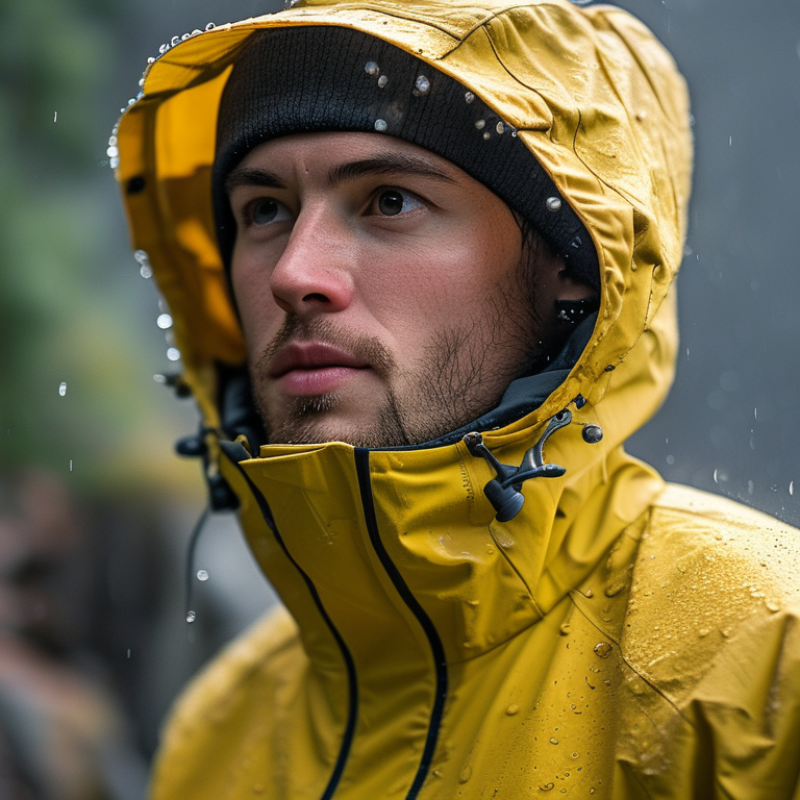
When selecting a waterproof jacket, understanding the materials and technologies used is crucial. The market is flooded with options, but not all jackets are created equal. For instance, jackets made with Gore-Tex are often touted as the gold standard in waterproof technology. However, in a study by the Outdoor Industry Association, it was revealed that only about 35% of consumers know this. Knowledge about waterproof ratings, such as the millimeters of water resistance, is key. A jacket with a rating of 10,000mm is generally suitable for heavy rain.
Another important consideration is breathability. Many waterproof jackets often compromise breathability for waterproofing. This can lead to discomfort during high-exertion activities. The Hohenstein Institute found that 50% of users reported feeling clammy in their jackets during active use. Using materials like eVent or Polartec can help minimize this issue, offering a balance of waterproofing and breathability. Nonetheless, these materials can come with a higher price point, leading consumers to choose cheaper options without fully understanding the trade-off.
It's essential to weigh these factors carefully. A jacket that excels in waterproofing might lack breathability, causing discomfort during wear. Some users may overlook the importance of fit and layering, critical for optimal performance. Regularly reassessing choices can lead to better-informed decisions for outdoor adventures.
When selecting a waterproof jacket, understanding the waterproof ratings is crucial. The rating is typically measured in millimeters, indicating the amount of water pressure a fabric can withstand. A rating of 1,500 mm means the jacket can handle light rain, while 10,000 mm is suitable for heavier downpours. This rating helps you match your gear to the weather conditions you expect.
Tips: Look for jackets with a 5,000 mm rating or higher if you frequently encounter wet climates. Also, consider breathability ratings. A jacket that keeps you dry can cause overheating. A breathable fabric allows sweat to escape, enhancing comfort during activity.
Not all waterproof materials are created equal. Some may wear down over time, losing their effectiveness. Regularly checking the condition of your gear is essential. Look for signs of wear or damage and assess how well your jacket performs in different conditions. Reflecting on experiences will guide future purchases.
| Waterproof Rating (mm) | Ideal Weather Conditions | Activity Suitability | Breathability Rating (g/m²/24h) |
|---|---|---|---|
| 5,000 | Light Rain | Casual Wear, City Walks | 5,000 |
| 10,000 | Moderate Rain | Hiking, Biking | 10,000 |
| 15,000 | Heavy Rain | Mountaineering, Extended Hiking | 15,000 |
| 20,000 | Torrential Rain | Professional Expeditions, Extreme Conditions | 20,000 |
| 25,000+ | All Weather Conditions | Extreme Sports, Survival Situations | 25,000+ |
When choosing a waterproof jacket, breathability and ventilation features are crucial. A well-ventilated jacket can regulate body temperature, allowing moisture to escape. According to a 2022 report by the Outdoor Industry Association, 70% of consumers prioritize breathability over waterproofing in their gear. Jackets that balance these two elements ensure comfort in various weather conditions.
Consider fabrics with moisture-wicking properties. Materials like Gore-Tex or eVent are popular for their ability to repel water while allowing sweat to evaporate. A jacket with underarm vents offers instant airflow when you need it. Check the mesh linings; they can improve airflow and enhance comfort.
Tip: Always test the jacket in a controlled environment before making a purchase. Simulate outdoor conditions to find the right fit. Remember that breathability may decrease when carrying a backpack or wearing many layers. Thus, understanding how a jacket responds to movement and layering can make a significant difference.
When choosing the best waterproof jacket, the fit is crucial. A well-fitting jacket should not be too tight or overly loose. Manufacturers often use various size guides, but personal preference plays a role. Measurements like chest and sleeve length can guide initial selections. However, individuals may find that altering the fit through layers is necessary. According to a report by the Outdoor Industry Association, 78% of outdoor enthusiasts prefer jackets that allow space for mid-layers.
Layering preferences also matter significantly. A waterproof jacket should accommodate insulation layers underneath. Many users favor fabrics with a breathable membrane. This choice helps regulate temperature during physical activities. The right jacket allows for ventilation without sacrificing waterproof capabilities. Research shows that jackets with adjustable cuffs and hems are preferable. This feature allows users to tailor the fit based on their layering.
Additionally, many consumers overlook the jacket's functionality. Features like hood design and pocket placement can be essential. Both aspects enhance usability in all weather conditions. Reports suggest that 60% of users prioritize functionality over style. Maintaining a balance between a sleek appearance and practical design can be challenging but necessary.
When choosing a waterproof jacket, considering styles and designs for specific outdoor activities is crucial. Hiking requires flexibility and breathability. A jacket with pit zips may enhance ventilation during vigorous hikes. On the other hand, a jacket suited for skiing must prioritize insulation along with waterproof features. Look for styles that can handle snow and cold winds effectively.
For cycling, a lightweight, streamlined jacket works best. It should fit snugly to reduce wind resistance. Features like reflective strips can increase visibility during low-light conditions. The design of a jacket can affect your comfort level too. Longer backs prevent water from splashing up when riding through puddles.
Some jackets may look great but underperform. A shiny exterior might look stylish, yet it can often lack proper waterproofing. Critiques from users can shed light on real-world performance. Always try on jackets under various conditions to gauge comfort and function. Make an informed choice based on experiences rather than just aesthetics.
: Breathability allows moisture to escape, helping regulate body temperature. This is crucial for comfort in various weather conditions.
Simulate outdoor conditions in a controlled environment before purchasing. Ensure it fits well and allows airflow.
Fabrics like Gore-Tex and eVent repel water while allowing sweat to evaporate. They are popular choices.
It should neither be too tight nor too loose. A proper fit accommodates movement and layering for comfort.
Underarm vents provide instant airflow, especially during physical activities. They enhance breathability when you need it most.
Choose jackets that allow space for insulation layers. Look for breathable membranes that regulate temperature effectively.
Features like hood design and pocket placement enhance usability. Maintaining a balance between form and function is important.
Yes, breathability may decrease with multiple layers or a backpack. It's essential to understand how jackets respond to these factors.
Many prefer adjustable cuffs and hems. These features help tailor the fit based on individual layering needs.
Consider the mesh linings as they enhance airflow. Testing different fits and styles can lead to better comfort.
When selecting the best waterproof jacket for various weather conditions, it's essential to understand the different materials and technologies available. Waterproof jackets utilize specialized fabrics that repel water while keeping wearers dry. Additionally, it’s crucial to identify waterproof ratings that indicate the level of protection against rain and moisture for different environments.
Breathability and ventilation features are also important in ensuring comfort, especially during high-intensity activities. Consider personal fit and layering preferences to achieve the optimal balance between warmth and mobility. Lastly, the style and design of the jacket can vary significantly, catering to specific outdoor activities, whether it's hiking, skiing, or casual wear. By considering these factors, you can make an informed choice when purchasing a waterproof jacket suited for your needs.

Yuelei