When preparing for outdoor adventures, choosing the right gear is essential. A dry suit for men offers versatile protection. According to a recent report from the Outdoor Industry Association, more than 60% of water sport enthusiasts prefer dry suits for cold conditions. This choice helps maintain body warmth and enhance safety during activities.
Expert Mark Thompson, a leading figure in dry suit technology, states, "Investing in a quality dry suit men can make all the difference in comfort and performance." His insights highlight how these suits not only keep you dry but also allow for greater freedom of movement. This is crucial for activities like kayaking or diving.
Yet, not all dry suits are created equally. The selection process can be daunting. Factors like insulation, fit, and material quality matter. It's vital to reassess your needs and gear. Finding the right dry suit men requires some trial and reflection. Investing time in research pays off when you choose wisely for your next adventure.
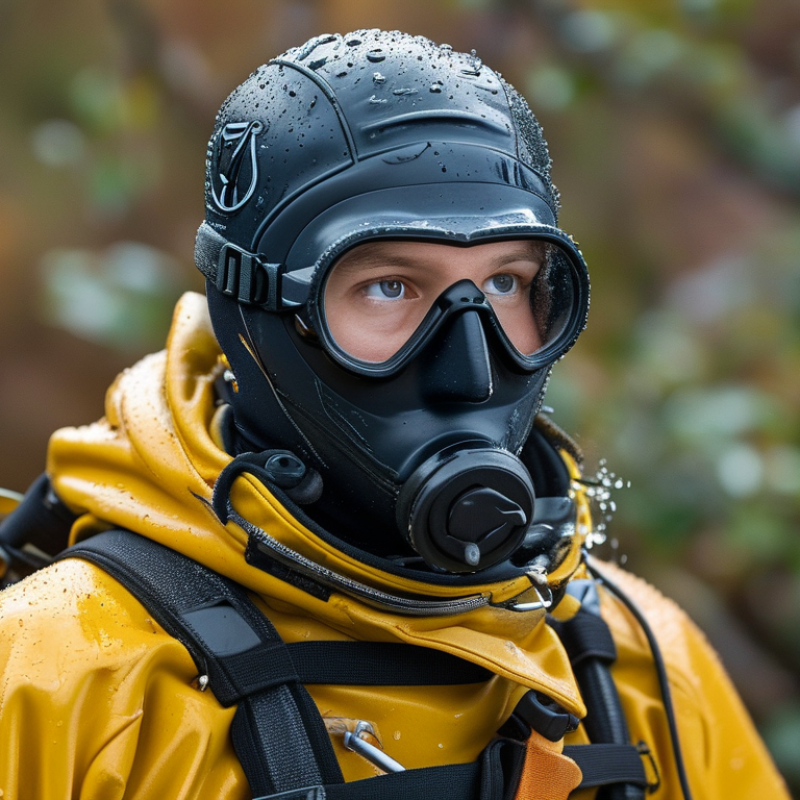
Choosing a dry suit for outdoor water activities can enhance your experience significantly. Dry suits are designed to keep water out, providing warmth and comfort. According to a survey by the National Outdoor Leadership School, nearly 70% of outdoor enthusiasts reported feeling more secure and confident when using proper insulation gear. This underscores the importance of staying dry, especially in colder temperatures.
Using a dry suit during activities like kayaking or paddleboarding reduces the risk of hypothermia. The National Center for Cold Water Safety states that immersion in cold water can lead to hypothermia in just minutes. The suit's insulating materials trap body heat, offering a crucial barrier against the cold. Some reports suggest that wearing a dry suit can increase your time in the water by over 50%, allowing for longer adventures and more exploration.
However, there are challenges with dry suits. They can feel restrictive at first, compromising mobility. Proper fit and adjustment are crucial to ensure effectiveness. Many users find they need time to adapt, sometimes leading to discomfort before achieving a good fit. It’s essential to practice beforehand. Reflections on personal experiences point out how crucial it is to balance comfort with functionality when selecting gear.
| Feature | Description | Benefits |
|---|---|---|
| Temperature Control | Dry suits are insulated and designed to keep you warm in cold water. | Allows for prolonged exposure to cold environments without hypothermia risk. |
| Waterproof | Completely seals out water, keeping the wearer dry even when submerged. | Ideal for activities like kayaking, diving, and sailing where splashes are common. |
| Versatility | Suitable for a range of water activities including sailing, paddleboarding, and diving. | One suit can accommodate various outdoor adventures. |
| Durability | Made from tough materials that withstand wear and tear from harsh conditions. | Long-lasting investment for frequent outdoor enthusiasts. |
| Comfort | Often includes adjustable features for a snug yet comfortable fit. | Freedom of movement ensures a more enjoyable experience. |
: Focus on a good fit, durability, and waterproof materials. Breathable fabrics help manage body temperature during activity.
Seals at the neck and wrists should keep water out while being comfortable. Latex is waterproof; neoprene is softer and flexible.
Pockets provide easy access to essential gear. They can enhance functionality during your adventures.
Insulation is vital for cold conditions. Built-in liners can add warmth, but don't make the suit too bulky.
Dry suits keep you completely dry, while wet suits allow a thin layer of water to warm against your body.
A dry suit is ideal for activities in cold conditions, providing better temperature regulation and keeping you dry.
Yes, wet suits can restrict movement slightly. A proper fit is necessary to maximize comfort and effectiveness.
Consider the activity and climate. Dry suits offer more dryness, while wet suits can be more comfortable in warmer weather.
Test different styles and fits. A suit that feels bulky can hinder movement, so find one that balances warmth and flexibility.
Yes, extra layers may be necessary for warmth, but ensure they don't compromise your range of motion.
Choosing a dry suit for men is essential for those who engage in outdoor water activities, as they provide superior insulation and protection against the elements. The benefits of using a dry suit include keeping the wearer dry and warm, making it ideal for adventures in cold or unpredictable weather. When selecting a dry suit men should look for key features like waterproof zippers, adjustable cuffs, and a comfortable fit to ensure optimal performance.
In comparing dry suits with wet suits, many find dry suits to be a better option for extended exposure to cold water, as they prevent water from entering. Proper care and maintenance of your dry suit can extend its life and ensure it remains effective. Popular activities suited for men’s dry suits encompass kayaking, paddleboarding, and winter diving, allowing for safe and enjoyable experiences in various conditions.

 Yuelei