Diving has long been an essential activity for both recreational and professional purposes. The use of a dry diving suit has become increasingly popular among divers. According to a report from the Diving Equipment and Marketing Association (DEMA), 25% of divers select dry suits for their perceived benefits. These suits provide superior thermal protection, which is critical in cold water conditions. They effectively keep divers warm, allowing them to extend their dive times significantly.
Moreover, dry diving suits offer enhanced buoyancy control. This feature aids divers in maintaining optimal body positioning underwater. Research indicates that divers with proper buoyancy control can conserve energy and reduce the risk of decompression sickness. However, while the advantages are clear, some divers may face challenges in mastering dry suit techniques. This learning curve can sometimes deter new divers from fully embracing these suits.
Despite these hurdles, the rising trend in dry suit usage cannot be ignored. Many industry experts emphasize their growing importance in safe diving practices. Investing in a dry diving suit can profoundly improve the overall diving experience. Yet, it remains crucial for divers to be adequately trained to maximize these benefits.
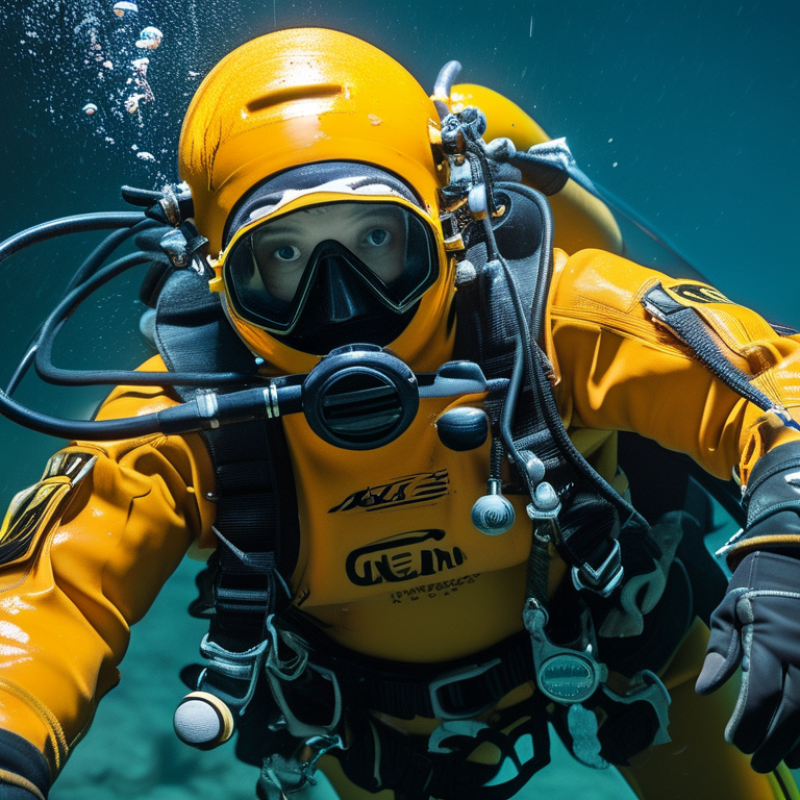
Benefits of Enhanced Thermal Insulation in Dry Diving Suits
Dry diving suits offer significant benefits, especially in thermal insulation. Enhanced thermal properties create a barrier against cold water, keeping divers warm in harsh conditions. The suit traps a layer of air, which acts as insulation. This helps maintain body temperature, even in chilly environments.
When choosing a dry suit, consider the materials. Neoprene and Gore-Tex are popular for their insulation and waterproof features. These fabrics ensure divers stay dry and comfortable. However, ensure a proper fit. An ill-fitting suit may lead to water entry, compromising insulation.
Tips: Always check seals and zippers. Maintaining your suit's integrity is crucial for optimal insulation. After each dive, rinse your suit with fresh water to prolong its lifespan. Review your experience regularly. Understanding what worked and what didn’t can improve future dives. Thermal comfort is essential, but personal monitoring is equally important. Assess your body’s reactions to cold in real-time.
Improved Comfort and Mobility for Divers in Varying Water Conditions
Diving in various water conditions can be challenging. A dry diving suit greatly enhances comfort and mobility for divers. The suit creates a barrier against cold water, allowing for longer dives without the discomfort of frigid temperatures. When wearing one, divers can maintain their body heat effectively. This means they can focus more on the marine environment and less on managing cold-related distractions.
Mobility is equally important. Dry suits provide a greater range of motion compared to traditional wetsuits. This flexibility allows divers to move freely while exploring underwater landscapes. In tight spaces or intricate coral formations, this added mobility can be vital.
However, it is essential to remember that mastering a dry suit requires practice. New divers may find it cumbersome at first. Adjusting to buoyancy and movements takes time. Awareness of these factors can lead to a more rewarding diving experience.
Protection Against Abrasions and Environmental Hazards Underwater
When diving, safety is paramount. A dry diving suit offers significant protection against abrasions and environmental hazards underwater. These suits provide a barrier between your skin and the water, reducing the risk of cuts and scrapes. Sharp rocks and marine life can cause injuries. A good suit will help mitigate these risks.
Consider the material of the dry suit. It should be durable and robust. Neoprene or trilaminate fabrics are popular. They offer excellent resistance against wear and tear. Always inspect your suit for any signs of damage before a dive. Even a small tear can compromise your safety.
Maintain your dry suit properly. Rinse it with fresh water after each use. This helps remove salt and debris. Dry it thoroughly to prevent mildew. Regular maintenance extends the life of your suit and ensures it protects you effectively. Remember, a well-cared suit enhances not just your comfort, but also your overall diving experience.
Extended Diving Time with Reduced Risk of Hypothermia
Diving deeper into the ocean’s wonders presents a thrilling adventure. However, hypothermia is a serious risk. Studies indicate that water temperatures as low as 70°F (21°C) can lead to hypothermia in divers. A dry diving suit significantly extends diving time by providing insulation against chilly waters. This type of suit keeps divers warm by trapping a layer of air between the suit and the body.
Research shows that divers in dry suits can stay submerged up to 30% longer than those in wetsuits. This extension allows for more exploration without the quick onset of cold discomfort. Even seasoned divers benefit from this insulation, potentially increasing dive duration from 45 minutes to over an hour. Moreover, dry diving suits help maintain core body temperature.
**Tips:** When using a dry diving suit, always check for leaks before your dive. Having proper training can enhance your experience and safety. Invest time in learning how to manage the buoyancy a dry suit provides—it differs from a wetsuit. Make sure to practice your skills to ensure confidence underwater. Remember, staying warm directly influences your ability to enjoy the dive.
Top 10 Benefits of Using a Dry Diving Suit for Divers
| Benefit |
Description |
Impact on Divers |
| Extended Diving Time |
Allows divers to stay underwater for longer periods without getting cold. |
Increased exploration and experience opportunities. |
| Reduced Hypothermia Risk |
Keeps the body insulated against cold water temperatures. |
Enhanced safety and comfort during dives. |
| Comfort and Mobility |
Design allows for ease of movement compared to traditional wetsuits. |
Improved dive performance and enjoyment. |
| Protection from Elements |
Shield against waterborne contaminants and marine life. |
Increased safety from bites and stings. |
| Versatility |
Suitable for various water temperatures and conditions. |
Broader range of diving opportunities. |
| Layering Options |
Possibility to layer clothing underneath for warmth. |
Customizable insulation based on dive conditions. |
| Less Water Ingress |
Minimized water entry compared to wetsuits. |
Maintained body warmth throughout the dive. |
| Easier Entry/Exit |
Enhanced features for quick donning and doffing. |
Reduces preparation time before dives. |
| Overall Durability |
Built with materials that withstand harsh conditions. |
Longer lifespan and reliable performance. |
| Health Benefits |
Maintains core body temperature, reducing fatigue. |
Improved diving experiences and overall health. |
Easier Donning and Doffing Process Compared to Wet Suits
Wearing a dry diving suit can significantly simplify the process of getting ready for a dive. Unlike wet suits that cling to the skin, dry suits create a barrier from the water. This feature allows divers to don and doff their suits more effortlessly. Many divers appreciate the less cumbersome experience. This ease can be crucial when managing equipment in challenging conditions.
The design of dry suits also plays a role in comfort. The suit's outer layer protects against the cold, while a thermal layer keeps divers warm. This dual function allows divers to focus on their underwater experience rather than battling with restrictive clothing. However, not all divers find them easy to use; some struggle with zippers and seals. Understanding how to efficiently manage these components requires practice.
Additionally, the weight and bulk of dry suits vary. Some suits are lighter and easier to pack, while others offer additional insulation but feel heavier. Divers should reflect on their personal comfort and expedition needs. This contemplation can lead to better decisions on gear selection. Remembering that every diver's experience is unique can make a big difference in choosing the right equipment.
Conclusion
A dry diving suit offers numerous benefits that enhance the overall diving experience. One of the primary advantages is improved thermal insulation, keeping divers warm in varying water temperatures and significantly reducing the risk of hypothermia. Additionally, these suits provide greater comfort and mobility, allowing divers to maneuver easily, even in challenging underwater conditions. The dry diving suit also offers excellent protection against abrasions and environmental hazards, making it a safer choice for exploring diverse aquatic environments.
Moreover, the design of dry diving suits facilitates a simpler donning and doffing process compared to traditional wet suits, which can be cumbersome. This ease of use encourages more divers to utilize them, potentially extending their diving time and enjoyment. Overall, the dry diving suit is an invaluable asset for anyone looking to enhance their diving adventures while ensuring comfort and safety.

 Yuelei